

Raa Atoll Resort Islands
A resort atoll north of Baa, with manta sites that shift with the monsoons and transfers by seaplane or flight via Ifuru.
Photo: Nevit Dilmen (talk), CC BY-SA 3.0, via Wikimedia Commons
Raa Atoll lies directly north of Baa, and on the Maldives’ tourism map it is almost entirely a resort atoll. The Ministry of Tourism’s Tourism Yearbook 2025 counted 17 resorts and one hotel in Raa at the end of 2024, against only six guesthouses. Its natural name is North Maalhosmadulu, and it stretches about 56 kilometres from north to south (Wikipedia).
This guide covers Raa’s resort islands as a group, together with the local islands that do not have their own pages. It explains how transfers and meal plans work, where the atoll’s manta and reef sites fit into the seasons, and what to compare when choosing between resorts. Individual resorts are listed in our accommodation catalogue rather than reviewed here.
Raa Atoll Resort Islands at a glance
- Region
- Baa & Raa Atolls
- From Malé
- Seaplane, or domestic flight to Ifuru plus speedboat, arranged by the resort
- Island type
- Private resort islands, one resort per island; many inhabited local islands
- Suggested stay
- 5–10 nights
- Best time
- January to March for the driest weather; mantas year-round at different sites
- Known for
- Resort islands, year-round manta sites, boatbuilding heritage on Alifushi
- Getting around
- Resort boats and excursions; RTL public ferries link local islands
In this Raa Atoll Resort Islands guide
Why visit Raa Atoll Resort Islands
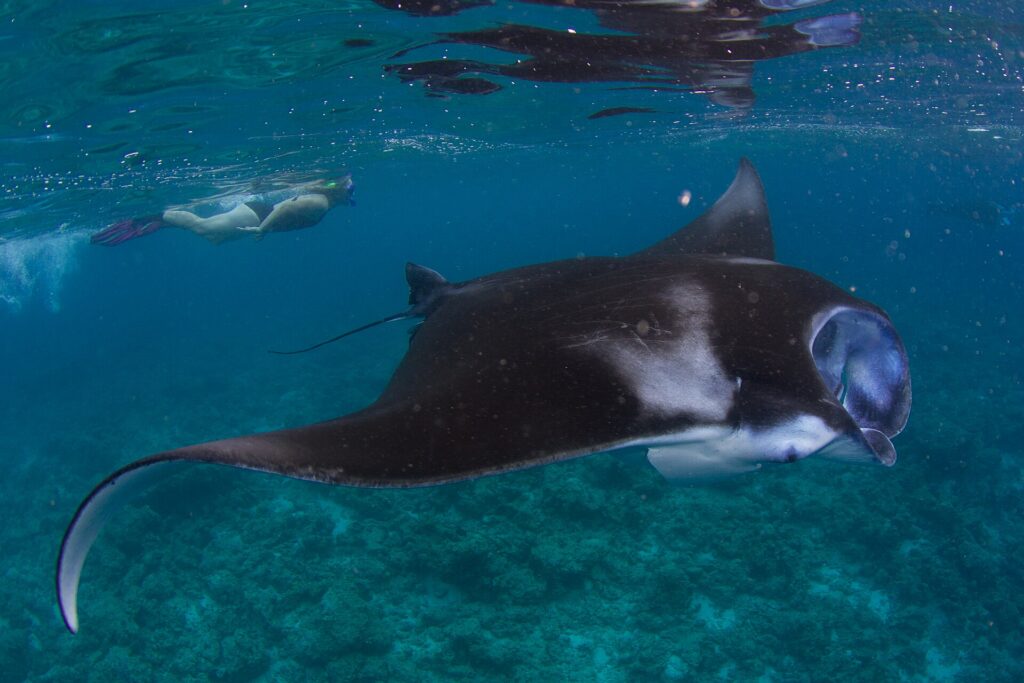
Raa suits travellers who want a resort holiday a little further from Malé than the capital’s own atolls, with manta encounters that are not tied to a single season. Visit Maldives notes that Raa has resident mantas with a seasonal shift: sightings are good on the western side of the atoll in the northeast monsoon, from December to April, and along the eastern side in the southwest monsoon, from May to November.
It also offers a direct comparison with Baa next door. Baa has Hanifaru Bay and the biosphere reserve; Raa has more inhabited islands and manta sites that shift with the monsoons. The trade-offs are the usual ones for resort atolls: transfers are priced separately and take longer than a speedboat ride from the airport, and you will eat, drink and take excursions through your resort. For Hanifaru, see the Dharavandhoo guide.
How resort stays work in Raa
One island, one resort
Each resort has its own island, with its own restaurants, beach, house reef and activity centre. Resort islands serve alcohol and do not apply local-island dress codes on the beach, although nudism and topless sunbathing are not allowed anywhere in the Maldives. You cannot walk to another island, so the resort’s facilities, food and atmosphere matter more than they would in a town.
Transfers and meal plans
The resort arranges your transfer once you send your international flight details: seaplane from Velana, or a domestic flight to Ifuru followed by a speedboat, depending on the resort. Rooms are usually sold on bed and breakfast, half board, full board or all-inclusive plans. Ask for the transfer price and the exact meal-plan inclusions in writing, because together they can outweigh the room rate.
What to compare between Raa resorts
- Transfer options and cost, and what happens if your international flight lands after seaplane hours.
- Which side of the atoll the resort is on, and which manta and reef sites its boats visit in your travel month.
- House reef access from the beach, and lagoon depth for swimming.
- Dive centre, snorkel excursions and any marine or turtle programmes.
- Meal plan inclusions, taxes and service charges, and excursions that cost extra.
Mantas, reefs and seasons
Manta encounters in Raa move with the monsoons rather than stopping, according to Visit Maldives. That makes the choice of resort location more important here than in many atolls: a resort’s boats can reach sites on its own side of the atoll more easily, so ask where its snorkel and dive trips go in your travel month. Sightings are never guaranteed, and a guide’s briefing on currents and conditions matters on outer-reef sites.
Follow the Visit Maldives manta code of conduct wherever you swim: enter the water quietly at least ten metres away, keep at least three metres from the animals, do not chase or touch them, and approach from the side. On reefs, do not stand on coral or collect shells. GOV.UK warns that strong tidal currents cause drownings, so ask resort staff where it is safe to swim.
Local islands in Raa
Raa has 16 inhabited islands, which Wikipedia describes as the highest number of any Maldivian atoll. The capital is Ungoofaaru. Alifushi is traditionally known for its boatbuilding carpenters and now has shipyards, and Dhuvaafaru was settled by people from Kandholhudhoo after the 2004 tsunami. These islands are covered here rather than in separate guides, because tourism on them is small-scale.
Take care with names. Raa has its own Maamigili, which is a different island from Maamigili in South Ari, home to the Villa International Airport. Always check the atoll as well as the island when booking or arranging transfers. On any excursion to a local island, dress modestly, leave alcohol behind, and follow your guide on photography and on where swimwear is acceptable.
Local islands are Muslim communities. Cover shoulders and upper legs, keep noise down near mosques at prayer times, and ask before photographing people. Alcohol must stay at the resort: GOV.UK warns that possessing it on an inhabited island can lead to arrest and deportation.
Getting there and around
Most Raa resorts transfer guests by seaplane from Velana. The atoll also has Ifuru Airport, a domestic airport with a 1,200-metre runway; Wikipedia lists Maldivian flights to Malé and Hanimaadhoo (as checked September 2026), and resorts that use it add a speedboat leg. Seaplanes operate only in daylight (Runway Girl Network), so late international arrivals may need a night near Velana or a flight-based transfer.
Between local islands, MTCC’s Raajje Transport Link high-speed ferries have operated in Raa since June 2025 (Atoll Times); check current routes on the RTL portal. Resort guests will normally use resort boats instead. See getting around the Maldives for how the pieces fit together.
Best time to visit
The Maldives Meteorological Service describes January to March as the dry northeast monsoon, with more sunshine hours, and mid-May to November as the wetter southwest monsoon. In Raa, both halves of the year have manta sites, so the choice is mostly about weather, prices and whether you also want Hanifaru Bay in Baa, which is at its most active from about May to December.
How long to stay
Allow at least five nights to make the transfer worthwhile, and seven to ten if you want several excursion days and time to rest. Raa combines easily with a resort stay in another atoll or with a few days in Baa during manta season. Leave a buffer before your international flight, because seaplane times depend on the day’s schedule and weather can cause delays.
Find accommodation in Raa Atoll Resort Islands
Resort rooms and seaplane seats book up early for December to April and holiday periods; confirm transfer and meal-plan costs before paying a deposit.
Browse places to stay in Raa Atoll Resort Islands
Listings link to independent booking providers. See our affiliate disclosure.
Nearby destinations
Frequently asked questions
Can I see mantas in Raa outside Baa’s manta season?
Visit Maldives describes Raa’s mantas as resident, with good sightings on the western side from December to April and on the eastern side from May to November. Sightings still depend on conditions, so ask your resort which sites its trips visit during your dates.
How do I get to a Raa resort?
Your resort arranges the transfer, usually by seaplane from Velana or by domestic flight to Ifuru plus speedboat. Send your flight details early and ask what happens if your international flight arrives after seaplane hours.
Are there guesthouses in Raa?
A few. The Tourism Yearbook 2025 recorded six guesthouses in Raa at the end of 2024, compared with 17 resorts. If you want a local-island stay in this region, Dharavandhoo or Goidhoo Atoll in Baa offer far more choice.
Plan the rest of your trip
- Baa & Raa Atolls region guide
- Where to stay in Baa and Raa Atolls
- Getting around the Maldives
- Maldives travel planning
- Maldives diving trips
Official sources for Raa Atoll Resort Islands
Transfer schedules, fees, entry rules and island regulations change; check the official source before you travel.
- Visit Maldives – Encounters with the majestic manta rays 101
- Ministry of Tourism – Tourism Yearbook 2025
- Maldives Meteorological Service – Climate of the Maldives
- GOV.UK – Maldives travel advice: safety and security
- Maldives Immigration
- Atoll Times – RTL ferry service launches in Raa Atoll (Jun 2025)
- MTCC / RTL customer portal
Plan a Baa & Raa Atolls trip
Weigh Raa’s resort islands against Baa next door, and match your dates to the manta sites and the weather you want.
Where to stay, and what to book
Browse resort stays in Raa Atoll and compare transfer type, which side of the atoll each resort is on, house reef and meal plan together. For excursions, dives and snorkelling trips, see Maldives tours and activities.
A few places to stay in Raa Atoll Resort Islands
 Furaveri MaldivesView accommodation →
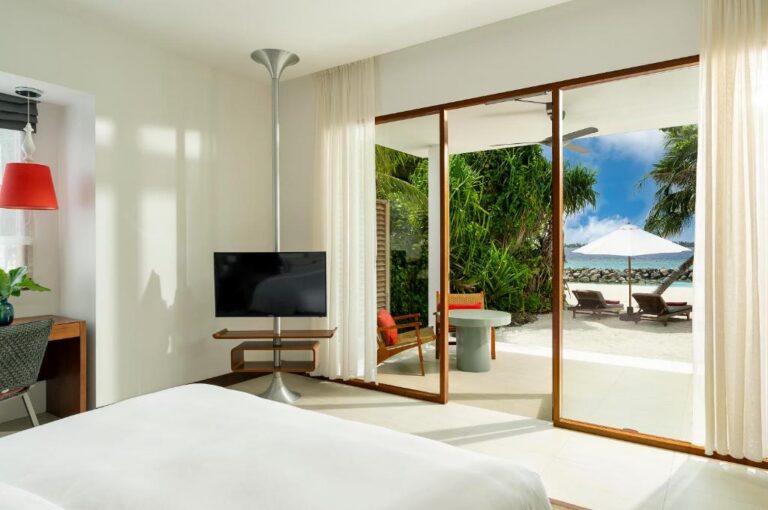 Niva Dhigali MaldivesView accommodation →
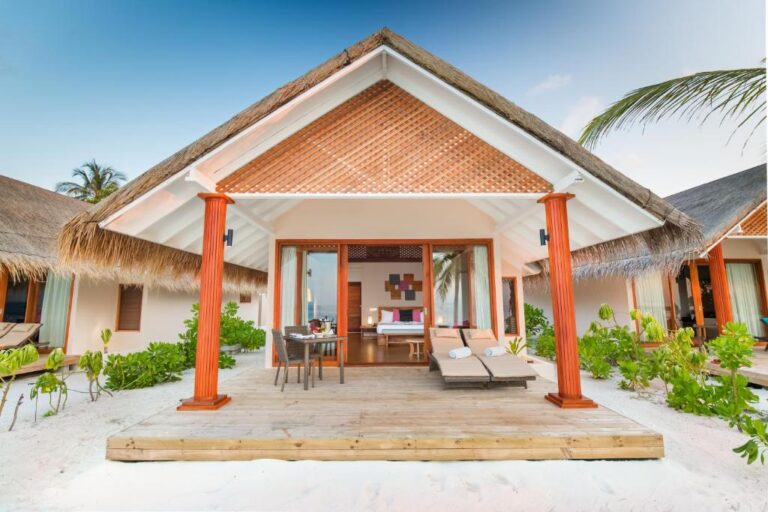 Kudafushi Resort & SpaView accommodation →
 Reethi Faru ResortView accommodation →
This opens a live search for every place to stay in Raa Atoll Resort Islands on an independent booking site. It is a destination search, not the availability of one property.
Affiliate disclosure: availability searches open on independent booking sites through Stay22. Maldives Travel Guide may earn a commission on a qualifying booking, at no extra cost to you.