

Baa & Raa Atolls
Neighbouring resort atolls north of Malé, with Baa’s UNESCO biosphere reserve and Hanifaru Bay’s seasonal manta gatherings at the centre.
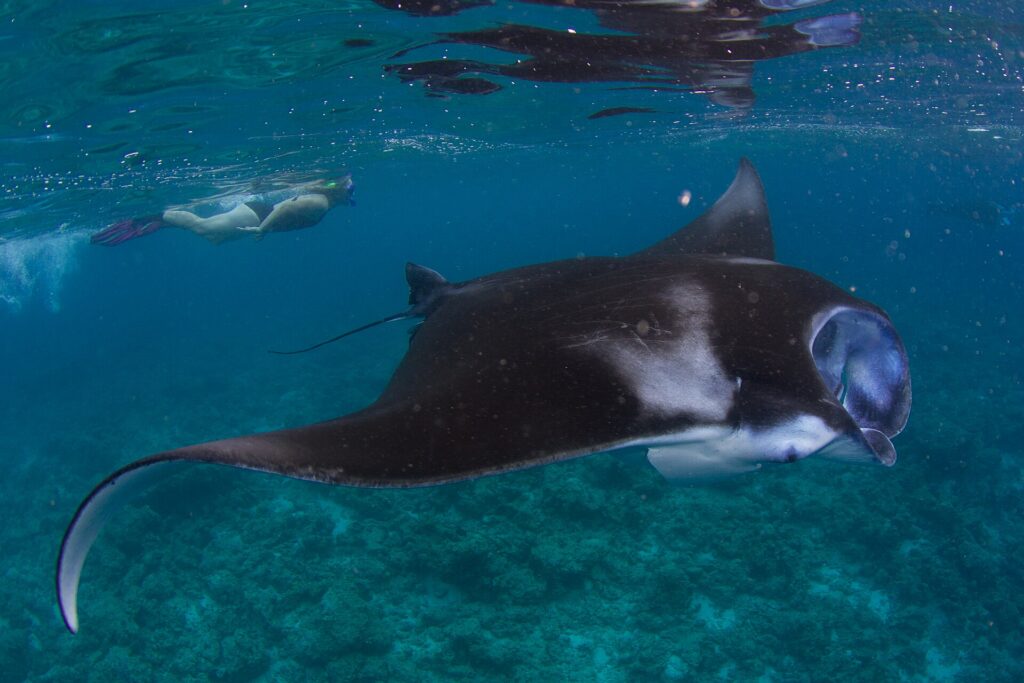
Photo: Frédéric Ducarme, CC BY-SA 4.0, via Wikimedia Commons
Baa and Raa are neighbouring atolls on the western side of the Maldives, north of Malé. Together they hold one of the country’s largest concentrations of resort islands: the Ministry of Tourism’s Tourism Yearbook 2025 counted 34 resorts across the two atolls at the end of 2024, 17 in each, plus 80 guesthouses, almost all of them in Baa.
The region’s signature is marine life. Baa Atoll has been a UNESCO Biosphere Reserve since June 2011, and its Hanifaru Bay hosts seasonal manta ray aggregations that draw snorkellers from around the world. Raa, immediately to the north, is a quieter resort atoll with manta sites that shift with the monsoons. This hub explains how the region fits together and links to each destination guide.
Baa & Raa Atolls at a glance
- Atolls covered
- Baa (South Maalhosmadulu, plus Goidhoo Atoll) and Raa (North Maalhosmadulu)
- Main destinations
- Dharavandhoo, Goidhoo Atoll, Baa Atoll Resort Islands, Raa Atoll Resort Islands
- From Malé
- Seaplane; domestic flights to Dharavandhoo (Baa) and Ifuru (Raa) plus boat; guesthouse speedboats
- Suggested stay
- 5–10 nights
- Best time
- May to November for Hanifaru mantas; January to March for the driest weather
- Known for
- Hanifaru Bay, reef manta rays, Baa Atoll Biosphere Reserve, resort islands
In this Baa & Raa Atolls guide
Why visit Baa and Raa
For many travellers the answer is mantas. Visit Maldives describes Hanifaru Bay as home to some of the largest gatherings of manta rays anywhere, with up to a hundred animals at a time, and the bay’s strict rules keep encounters snorkel-only and capped in numbers. Raa adds manta sites that Visit Maldives says are used year-round, on different sides of the atoll depending on the monsoon.
The region also offers a clear choice of trip style. On the resort side, dozens of private islands sit within a short seaplane or domestic flight of Malé. On the guesthouse side, Dharavandhoo and the three islands of Goidhoo Atoll give you a lower-cost, local-island stay inside the biosphere reserve. Many visitors split their time between the two, taking a few nights close to Hanifaru and a few at a resort.
The trade-offs are distance and dependence on transfers. Everything beyond your island is reached by boat or plane, weather can disrupt schedules in the southwest monsoon, and resort transfers are priced separately. Local islands are small Muslim communities with no alcohol and dress rules away from any designated tourist beach. Neither style is right for everyone, and the choice shapes the whole trip.
Main islands and places
Dharavandhoo
A small local island in eastern Baa with its own domestic airport, and the guesthouse base most travellers use for Hanifaru Bay. Life follows a village rhythm, with prayer times, fishing boats and small shops, and evenings are quiet. Stay four nights or more in manta season to give yourself several chances at the bay. Read the Dharavandhoo guide.
Goidhoo Atoll
A separate small atoll within Baa, with three inhabited islands: Goidhoo, Fulhadhoo and Fehendhoo. Expect sandy lagoons, simple guesthouses and very few other visitors. Goidhoo’s protected mangrove wetland is a core area of the biosphere reserve. Transfers need careful planning, and Hanifaru means a boat trip across to the main atoll. Read the Goidhoo Atoll guide.
Baa Atoll Resort Islands
Seventeen resorts, each on its own island, spread through the main Baa atoll and its biosphere reserve. Transfers are by seaplane or domestic flight to Dharavandhoo plus boat, arranged by the resort. Compare meal plans, house reefs and how each resort handles Hanifaru trips under the visitor cap. This guide also covers Baa’s other local islands. Read the Baa resort islands guide.
Raa Atoll Resort Islands
A resort atoll to the north of Baa, with 17 resorts and only a handful of guesthouses at the end of 2024. Mantas are resident here, with sightings shifting between the atoll’s western and eastern sides by season. Raa has 16 inhabited islands, including the capital Ungoofaaru and the boatbuilding island of Alifushi. Read the Raa resort islands guide.
Inhabited islands in Baa and Raa are Muslim communities. GOV.UK advises covering shoulders and upper legs away from resorts, and warns that possessing alcohol outside resorts can lead to arrest and deportation. Keep swimwear to any designated tourist beach or boat trips, ask your host where the beach limits are, stay quiet near mosques at prayer times and expect fewer boats on Fridays.
Hanifaru Bay and the manta season
Hanifaru is a small bay on the eastern side of Baa, declared a Marine Protected Area on 8 June 2009 and later made a core area of the biosphere reserve. The Important Shark and Ray Area assessment describes it as the largest known feeding aggregation of reef manta rays in the world, and whale sharks also visit. The aggregations happen during the southwest monsoon, when lunar tides trap plankton inside the bay.
The rules are strict. According to the CMS Sharks MOU factsheet (as checked September 2026), scuba diving and fishing are banned, no more than five vessels and 80 tourists may be in the bay at once, time in the bay is limited, snorkellers must be accompanied by certified Hanifaru guides, and each visitor pays an entry fee that goes to conservation. Rangers patrol the site, and breaches carry heavy fines.
In the water, follow the Visit Maldives manta code of conduct: enter quietly at least ten metres away, keep at least three metres from the animals, never touch or chase them, and approach from the side. Manta numbers vary from day to day, so no one can promise sightings on a given trip. Our 7-day Baa Atoll manta season itinerary is built around that uncertainty.
Hanifaru is managed by the Baa Atoll Biosphere Reserve Office in Eydhafushi, and access has occasionally been affected by local disputes: in September 2025 a nearby island council temporarily banned water activities within 700 metres of Dhonfanu reef (Edition.mv). Confirm current arrangements and the entry fee with your accommodation before booking a manta-focused trip.
Getting there and around
Resort guests usually travel by seaplane from Velana International Airport, with the transfer arranged by the resort. The region also has two domestic airports: Dharavandhoo in Baa, which Visit Maldives says has several daily flights of about 20 minutes from Velana (as checked September 2026), and Ifuru in Raa. Resorts that use these airports add a speedboat leg. Seaplanes fly only in daylight (Runway Girl Network).
Guesthouses arrange speedboats or meet domestic flights at Dharavandhoo. Within each atoll, MTCC’s Raajje Transport Link high-speed ferries began in Raa in June 2025 and in Baa in August 2025, completing the network’s Zone 2, which also includes Noonu and Lhaviyani (Edition.mv). Check routes and schedules on the RTL portal, and see getting around the Maldives for the wider picture.
Best time to visit
The Maldives Meteorological Service divides the year into the northeast monsoon, the dry season from January to March, and the southwest monsoon, the wet season from mid-May to November, with December and April as transition months. The dry season brings more sunshine hours and calmer crossings; the wet season brings showers, wind and rougher seas, but also the plankton that fuels Hanifaru.
| Months | Weather | Marine highlights |
|---|---|---|
| January–March | Dry northeast monsoon, most sunshine | Raa’s western manta sites; general reef snorkelling and diving |
| April | Transition, hottest period | Raa’s western manta sites; calmer days for boat trips |
| May–November | Wet southwest monsoon, showers and wind | Hanifaru Bay aggregations in Baa; Raa’s eastern manta sites |
| December | Transition | Late Hanifaru season in Baa; Raa’s western sites begin |
Use the table as a planning guide, not a promise. Manta and whale shark sightings depend on tides and plankton, and the exact start and end of each monsoon shifts from year to year. If Hanifaru is the reason for your trip, favour a longer stay over a shorter one at a supposed peak.
Destination guides in Baa and Raa
Nearby regions
Read next
- Where to stay in Baa and Raa Atolls
- 7-day Baa Atoll manta season itinerary
- Maldives snorkelling tours
- Maldives diving trips
- Getting around the Maldives
- Maldives travel planning
Official sources for Baa and Raa
Transfer schedules, fees, entry rules and island regulations change; check the official source before you travel.
- Baa Atoll UNESCO Biosphere Reserve Office
- UNESCO Man and the Biosphere Programme – Baa Atoll
- Visit Maldives – Baa Atoll Biosphere Reserve
- Visit Maldives – Encounters with the majestic manta rays 101
- CMS Sharks MOU – Elasmobranch tourism factsheet: Hanifaru Bay
- Ministry of Tourism – Tourism Yearbook 2025
- Maldives Meteorological Service – Climate of the Maldives
- GOV.UK – Maldives travel advice: safety and security
- Maldives Immigration
- Edition.mv – RTL ferry service inaugurated in Baa Atoll (Aug 2025)
- MTCC / RTL customer portal
Plan a Baa & Raa Atolls trip
Choose between a local-island base near Hanifaru and a resort island, then match your dates to the manta season and the weather you want.
Where to stay, and what to book
Browse accommodation across Baa and Raa to compare guesthouses on Dharavandhoo and Goidhoo Atoll with resort islands in both atolls. Our where to stay in Baa and Raa Atolls guide explains which base suits which kind of trip, and Maldives tours and activities covers excursions.
A few places to stay in Baa & Raa Atolls
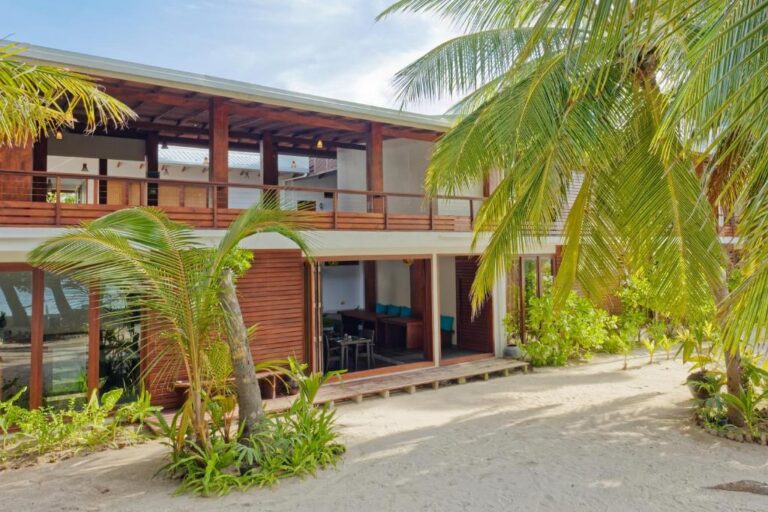 Aveyla Manta VillageDharavandhooView accommodation →
 Soneva FushiView accommodation →
 Royal Island Resort MaldivesView accommodation →
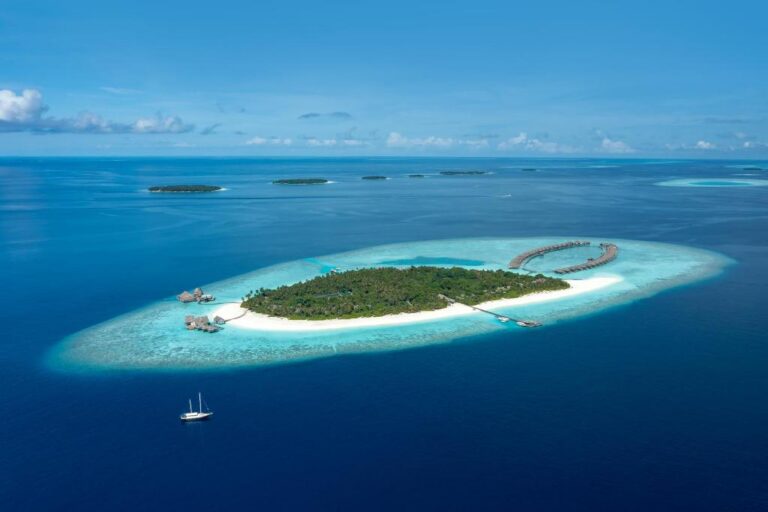 Anantara Kihavah Maldives VillasView accommodation →
This opens a live search for every place to stay in Baa & Raa Atolls on an independent booking site. It is a destination search, not the availability of one property.
Affiliate disclosure: availability searches open on independent booking sites through Stay22. Maldives Travel Guide may earn a commission on a qualifying booking, at no extra cost to you.