
Maldives Tours & Activities
How excursions work from resorts and local islands, which encounters are regulated, and how weather shapes what runs.
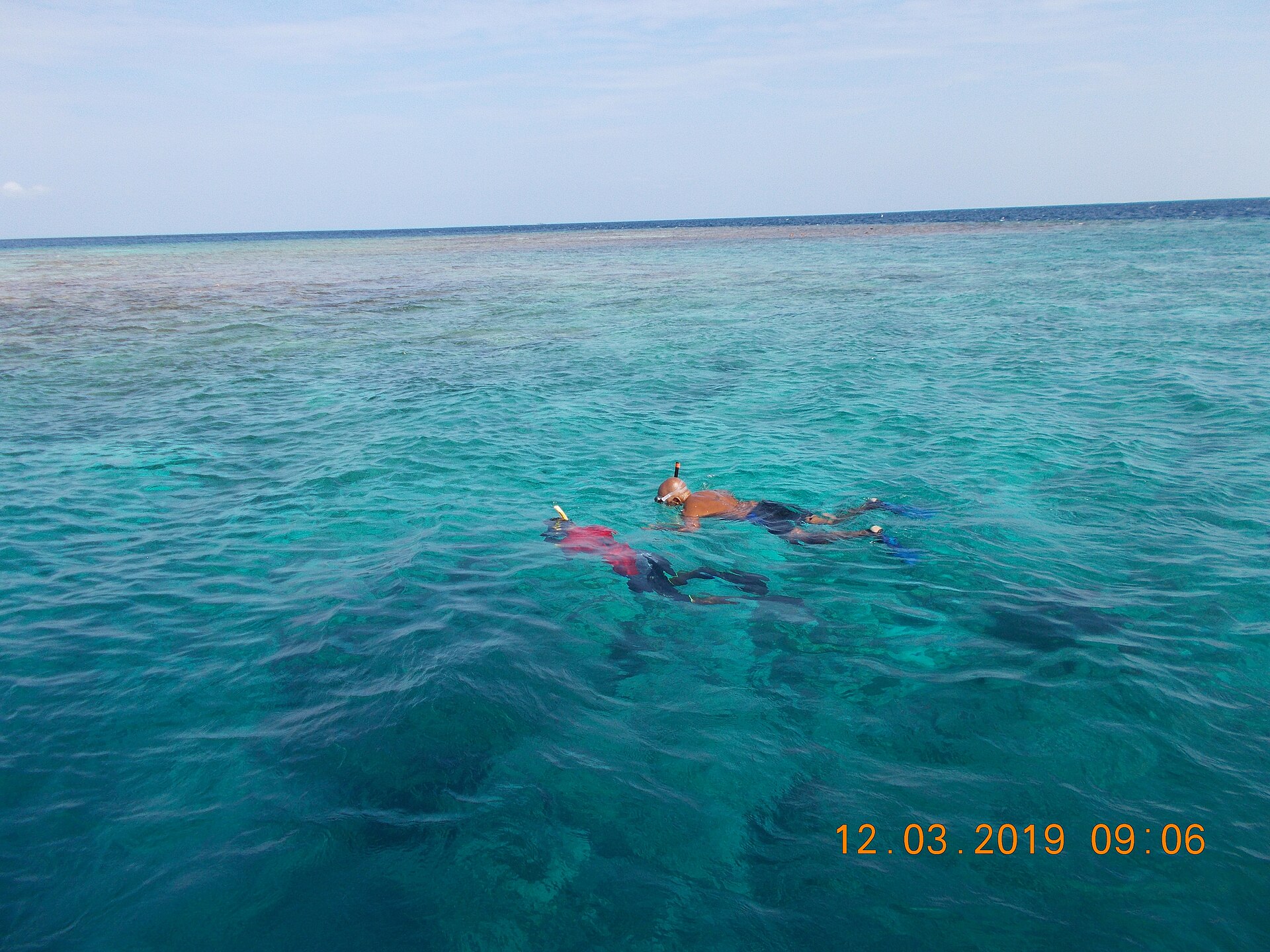
Photo: Rudolph.A.furtado, CC0, via Wikimedia Commons
Almost every Maldives excursion happens on or under the water: snorkelling trips to reefs and channels, dives, sandbank picnics, dolphin and sunset cruises, fishing trips and visits to neighbouring islands. What changes is who runs them and where they leave from. Resort guests book through the resort’s own dive centre or excursion desk. Guesthouse guests book through their guesthouse or local operators on the island, usually by shared boat.
This hub explains how excursion booking works from each type of base, which encounters are regulated, and how weather and sea conditions affect what runs. It links to our theme guides for snorkelling, diving, sandbanks and island hopping, and dolphin and sunset cruises. We do not operate tours. Where the site lists tours, they link to independent providers, and we describe what to check rather than promise sightings.
Booking excursions: the essentials
- Who runs trips
- Resort dive centres and excursion desks, or guesthouses and local operators on inhabited islands
- Typical boat
- Speedboat or traditional-style dhoni, shared or private
- Main themes
- Snorkelling, diving, sandbanks and island hopping, dolphin and sunset cruises, watersports
- Regulated encounters
- Whale sharks (national regulation), Hanifaru Bay in Baa (snorkel only), marine protected areas
- Weather
- Trips depend on sea state; rough southwest-monsoon days can cancel or change routes
- Book when
- Many trips can be booked on arrival; ask about minimum numbers and Friday schedules
- Diving and flying
- Allow at least 12 to 18 hours after diving before flying, including seaplanes (see safety notes)
In this Maldives tours guide
From a resort or from a local island
Booking from a resort island
On a resort island, excursions are sold by the resort itself or by the dive and watersports centre that operates there. That is convenient: the boat leaves from your jetty, the timing fits around meals, and staff know the local sites. The trade-off is choice. You are limited to what that resort offers, and prices are set by the resort. Ask which trips are included in your package, which are charged, and whether snorkelling gear is provided.
Booking from a local island
On inhabited islands such as Maafushi, Thulusdhoo, Ukulhas or Dhigurah, guesthouses and small local operators run shared trips from the harbour. Choice is wider on the larger guesthouse islands and narrower on quieter ones, where some trips only run once enough guests sign up. Excursions to a resort for the day, to a sandbank or to a nearby reef are common. Confirm what is included, who the skipper is, and whether life jackets and a safety briefing are provided.
Excursions often return to a local island. Cover shoulders and upper legs when you walk back through the village, keep swimwear to the designated tourist beach, and remember that alcohol is not permitted on local islands; the UK government advises not to take any alcohol out of a resort.
What is regulated
The Maldives protects many reef and marine species and has designated a number of marine protected areas, overseen by the national environmental authorities. Several of the country’s signature encounters now have specific rules, and a responsible operator will brief you on them before you enter the water. If a boat crew encourages touching, chasing or feeding wildlife, say no.
Whale sharks
A national regulation published in October 2024 sets rules for whale-shark encounters: keep at least 3 metres from the body and 4 metres from the tail, never touch or hold on, do not chase or block the animal, do not feed it, and do not use flash, bright lights or selfie sticks. Vessels are limited within a contact zone and must slow down near the animal (as checked September 2026, Visit Maldives).
Hanifaru Bay and manta rays
Hanifaru Bay in Baa Atoll is a marine protected area inside the Baa UNESCO Biosphere Reserve. Scuba diving is not allowed there; visitors snorkel with registered operators, and the number of boats and people is capped. A visitor fee applies. Rules and fees are reviewed from time to time, so check them with your accommodation (as checked September 2026). See the Dharavandhoo guide for the local picture.
Coral, shells and souvenirs
Do not stand on or touch coral, and use fins carefully in shallow water. Collecting or buying coral and turtle shell is not a souvenir option: the Canadian government’s travel advice notes that exporting coral and tortoise shell is prohibited. A rash vest or long-sleeved swim top reduces the amount of sunscreen you need to apply, which is kinder to the reef and to your skin.
Weather and sea conditions
Every excursion depends on the sea. The northeast monsoon (Iruvai), usually from about January to March, generally brings calmer, clearer conditions on many routes. The southwest monsoon (Hulhangu), from mid-May to November, brings more rain, stronger winds and rougher open-water crossings, although it is also manta and surf season in several atolls. Operators cancel or change routes when conditions are unsafe; that is a good sign, not an inconvenience.
Currents in the channels (kandu) between atolls can be strong at any time of year. The UK government warns that strong currents cause drownings and advises asking staff where it is safe to swim. Snorkelling trips to channels are for confident swimmers; ask about the current before you commit, and stay with the group and the boat.
Wear the life jacket provided on boat transfers, listen to the briefing, and tell the guide about any medical conditions. If you have dived, allow the recommended surface interval before any flight, including a seaplane. The adventure activities guide covers diving safety in more detail.
Before you book
Most excursions do not need to be booked months ahead, but a few questions help you compare offers fairly. Ask them whether you book at a resort desk, through a guesthouse or online.
- Is the trip shared or private, and is there a minimum number of guests before it runs?
- What is included: snorkel gear, fins, lunch, drinks, guide, marine park or site fees, taxes?
- Which sites are planned, and what is the alternative if conditions change?
- For wildlife trips, does the operator follow the national whale-shark regulation and site rules?
- Does the trip run on Fridays, and what time does the boat return?
Tours by theme
Our theme guides explain how each type of trip works across the regions, what to expect on board and how to choose between a resort desk and a local operator. Start with the theme that matters most to you, then check which regions suit it.
To browse listed excursions across the country, see the tours and activities archive. Listings link to independent providers; check the inclusions and the operator’s safety briefing before you pay.
Read next
- Maldives destinations by region
- Maldives accommodation
- Getting around the Maldives
- Maldives itineraries
- Maldives travel planning
Official sources
Transfer schedules, fees, entry rules and island regulations change; check the official source before you travel. The sources below cover marine regulations, weather, water safety and diving guidance used on this page.
- Visit Maldives: national whale shark regulation (2024)
- Convention on Migratory Species: Hanifaru Bay elasmobranch tourism factsheet (PDF)
- Visit Maldives (official tourism promotion)
- Maldives Meteorological Service: climate of the Maldives
- Edition.mv: Iruvai and Hulhangu monsoon timing
- GOV.UK foreign travel advice: Maldives safety and security
- Government of Canada: Maldives travel advice
- Alert Diver (DAN Europe): flying after diving
- PADI: things to avoid immediately after diving
Plan your Maldives excursions
Choose your base first, then match the trips you want to the season and the island you are staying on.