
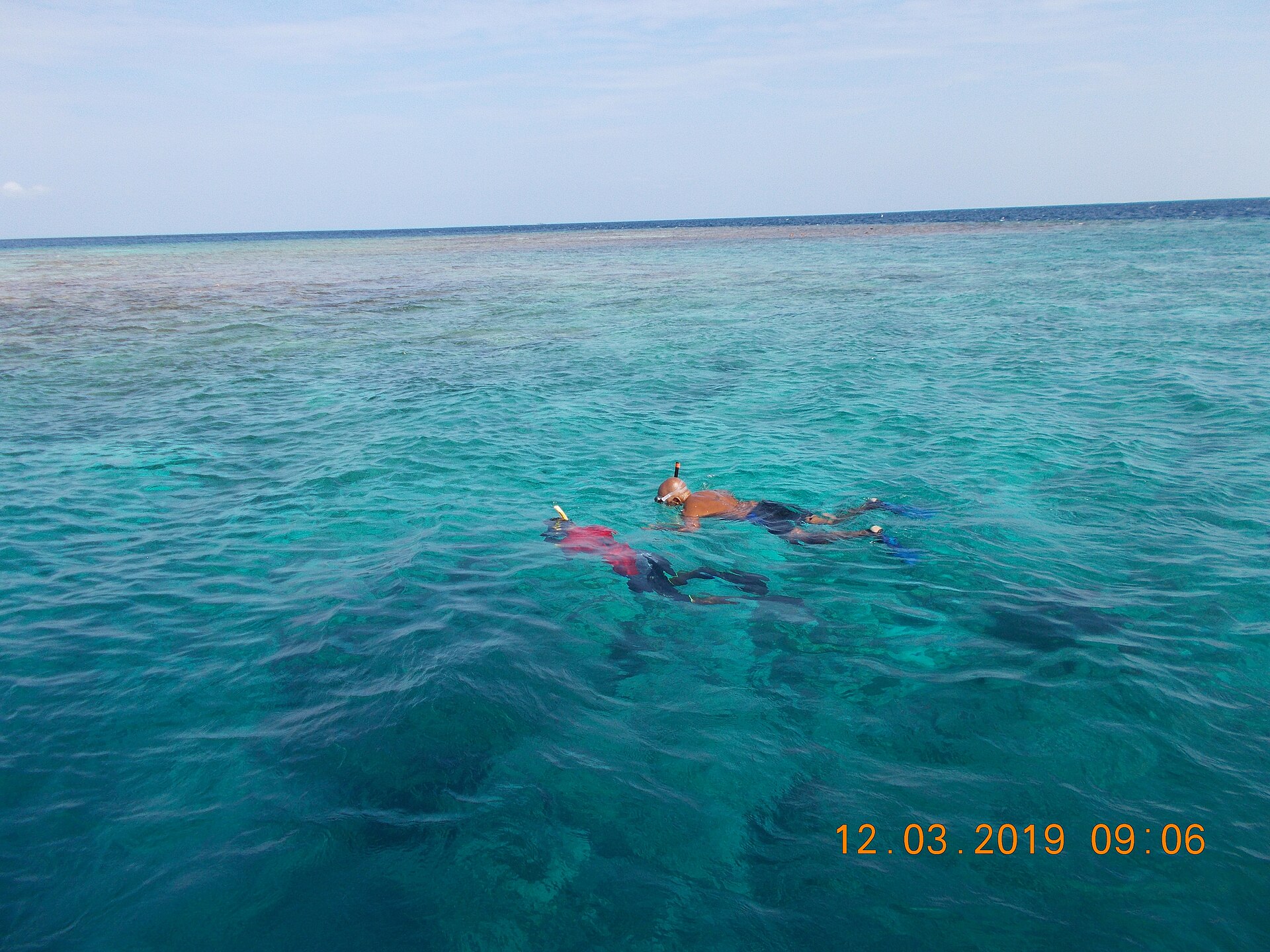
Faafu Atoll
One of the least visited atolls in the Maldives: five local islands, a single resort, quiet reefs and one of the country’s oldest mosques.
Photo: Rudolph.A.furtado, CC0, via Wikimedia Commons
Faafu is the administrative atoll covering North Nilandhe Atoll, west of Meemu and separated from its southern twin, Dhaalu, by a strip of ocean about 6 km wide. It has five inhabited islands, Bileddhoo, Dharanboodhoo, Feeali, Magoodhoo and the capital Nilandhoo, which is the largest and most populous, with around 1,800 residents at the 2022 census.
Faafu is one of the quietest atolls in the country for tourism. Ministry of Tourism figures for the end of 2024 counted a single resort and eight guesthouses, so visitors are few and facilities are limited. It suits travellers interested in Maldivian history and village life, or divers happy with a remote base; it does not suit those wanting a range of activities or accommodation.
Faafu Atoll at a glance
- Region
- Central Atolls
- From Malé
- Seaplane (resort) or boat and domestic-flight combinations arranged by your guesthouse
- Island type
- Local islands with a few guesthouses; one resort island
- Suggested stay
- 4 to 7 nights
- Best time
- January to April for calmer seas and diving
- Known for
- Nilandhoo’s Aasaari Miskiy, quiet reefs, traditional island life
- Getting around
- Guesthouse or resort boats; RTL ferry routes within the atoll
In this Faafu Atoll guide
Why visit Faafu Atoll
Faafu rewards curiosity rather than a checklist. Its main sight is historical, not scenic, and its reefs see few boats. With so few visitors, the local islands feel like working communities rather than guesthouse hubs. The trade-offs are real: transfers take planning, choice is minimal, and you will need to rely on your guesthouse or resort for meals, excursions and practical help.
Nilandhoo and its history
Nilandhoo’s Aasaari Miskiy is considered the second-oldest mosque in the Maldives, traditionally dated to the reign of Sultan Mohamed ul-Adil in the 12th century. Its coral-stone construction and carved wooden interior may reuse material from earlier pre-Islamic structures. Archaeological work on the island, including excavations associated with Thor Heyerdahl, found remains linked to the Buddhist period before the Maldives converted to Islam.
If you want to visit the mosque, ask your guesthouse or the island council whether it is open to visitors and when, and go outside prayer times. Dress conservatively, with shoulders and legs covered, remove shoes where asked, and do not photograph inside without permission. It is an active place of worship, not a museum.
Faafu’s islands are small Muslim communities that see few visitors. Alcohol is not available and must not be brought ashore. Wear swimwear only where your guesthouse confirms it is permitted, cover up in the village, and avoid eating or drinking in public in daylight during Ramadan.
Reefs and diving
Faafu’s channels and thilas, the underwater pinnacles found inside and along the atoll rim, are visited by the resort’s dive centre and by liveaboards on central-atoll routes, which often combine Faafu with Dhaalu as the Nilandhe atolls. Reef sharks, turtles, Napoleon wrasse and schooling fish may be seen in the channels, depending on conditions. Some Faafu dive sites are on the EPA’s protected-area list; ask your operator which rules apply.
Maldivian regulations limit recreational diving to 30 metres, allow no-decompression diving only and ban solo diving. UK travel advice notes that many islands are over an hour from a recompression chamber, which is especially relevant in a remote atoll; confirm your operator’s emergency plan.

Getting there and around
Faafu has no airport of its own. The resort arranges seaplane transfers from Velana International Airport. Guesthouse guests should ask their hosts how to get there, as options may include a speedboat from Malé or a domestic flight to a neighbouring atoll followed by a boat. Since February 2026, MTCC’s RTL ferry has run routes within Faafu and a connecting route from Nilandhoo to Meedhoo in Dhaalu (as checked September 2026).
Best time to visit
The Maldives Meteorological Service describes a drier north-east monsoon from about January to March and a wetter south-west monsoon from mid-May to November, with December and April as transition months. The drier months generally bring calmer seas for boat transfers and diving. Seaplanes fly only in daylight, so allow for an overnight stop near the airport if your international flight lands late.
How long to stay
Four to seven nights makes the journey worthwhile. A stay on a local island can easily fill three or four days with village life, a mosque visit and boat trips, while a resort stay allows longer. Faafu combines naturally with Dhaalu, now that ferries link the two, or with a few nights near Malé before flying home.
Find accommodation in Faafu Atoll
With only one resort and a few guesthouses, confirm transfers at the same time as your room, and book early if your dates are fixed.
Browse places to stay in Faafu Atoll
Listings link to independent booking providers. See our affiliate disclosure.
Nearby destinations
Frequently asked questions
Can I visit the old mosque at Nilandhoo?
It is an active mosque, so access depends on local arrangements. Ask your guesthouse or the island council before you go, visit outside prayer times, dress conservatively and follow any instructions about shoes and photography.
Is Faafu suitable for a first trip to the Maldives?
It can be, if you want quiet and are comfortable with limited choice. Most first-time visitors find it easier to start near Malé or in Ari, where transfers are simpler and there are more places to stay and things to do.
How do I travel between Faafu and Dhaalu?
Since February 2026, MTCC’s RTL ferry has run a connecting route between Nilandhoo in Faafu and Meedhoo in Dhaalu (as checked September 2026). Check the current timetable with MTCC, or ask your guesthouse to arrange a boat.
Plan the rest of your trip
- Central Atolls region guide
- Where to stay in Central Atolls
- Getting around the Maldives: ferries, speedboats, seaplanes and domestic flights
- Maldives travel planning: entry, money, etiquette and seasons
Official sources for Faafu Atoll
Transfer schedules, fees, entry rules and island regulations change; check the official source before you travel.
- MTCC Raajje Transport Link: ferry routes and schedules
- President’s Office: RTL ferry inaugurated in Faafu and Dhaalu (February 2026)
- Maldives Airports Company: Velana International Airport
- EPA Maldives: Protected Areas of Maldives (2019)
- Ministry of Tourism: Maldives Recreational Diving Regulation
- Ministry of Tourism: Tourism Yearbook 2025
- Maldives Meteorological Service: climate of the Maldives
- UK FCDO travel advice: Maldives safety, security and local laws
- Maldives Immigration: entry requirements
- Visit Maldives (official destination marketing)
Plan a Central Atolls trip
Compare Faafu with Dhaalu, Meemu and Vaavu, then plan transfers carefully around seaplane or ferry timings.
Where to stay, and what to book
Faafu has a single resort island and a few small guesthouses on its local islands. Compare what each includes, particularly transfers and meals, and confirm how excursions are arranged. Browse places to stay in Faafu Atoll, and see Maldives tours for diving and excursion ideas.
A few places to stay in Faafu Atoll
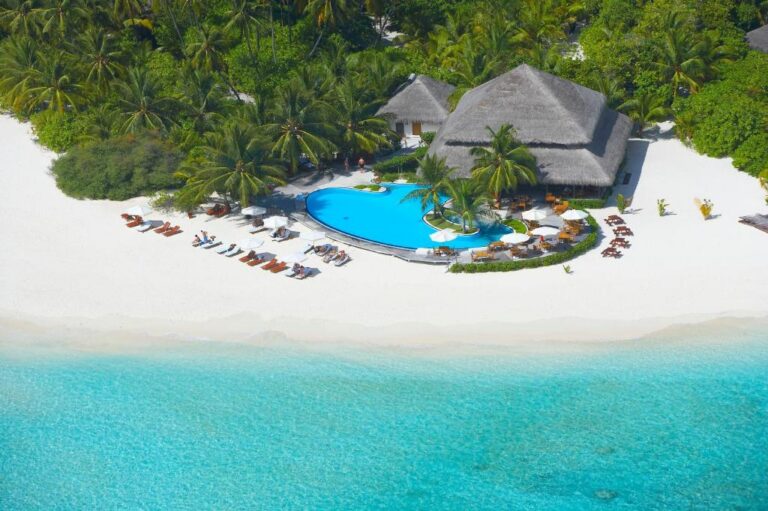 Filitheyo Island ResortFilitheyoView accommodation →The Sandora VillaBilehdhooView accommodation →
 Faafu View MaldivesFeealiView accommodation →DoradoMagoodhooView accommodation →
This opens a live search for every place to stay in Faafu Atoll on an independent booking site. It is a destination search, not the availability of one property.
Affiliate disclosure: availability searches open on independent booking sites through Stay22. Maldives Travel Guide may earn a commission on a qualifying booking, at no extra cost to you.