
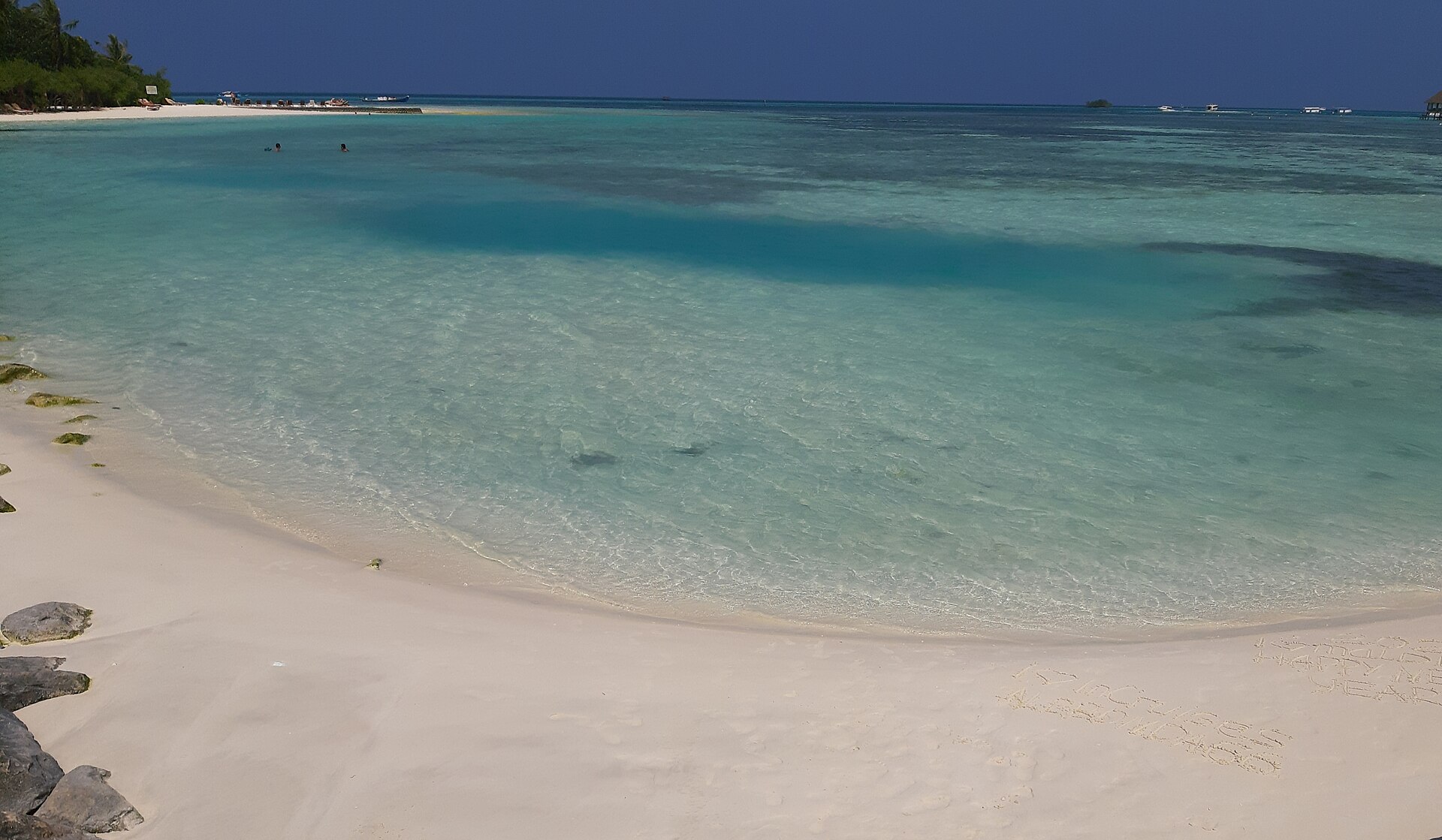
Huraa
A quiet North Malé local island with a protected mangrove reserve, royal history and short transfers from the airport.
Photo: Alebonda66, CC BY-SA 4.0, via Wikimedia Commons
Huraa is a small, quiet local island in North Malé Atoll with an unusual feature for this part of the Maldives: a protected mangrove at its northern end. It is also a place of history, the home island of the dynasty that ruled the Maldives from the 18th century. Guesthouses here attract travellers who want a calm, low-key base within a short boat ride of the airport.
It suits couples, families and anyone who prefers a gentle pace to a surf or party scene, with enough excursions nearby to fill a week. This guide covers the mangrove reserve, reef trips, island life and etiquette, transfers and timing, and it is clear about what Huraa does not offer, including long tourist beaches and nightlife.
Huraa at a glance
- Region
- North Malé Atoll
- From Malé
- Shared speedboat from Malé or the airport; public ferry from Malé (not on Fridays)
- Island type
- Inhabited local island with guesthouses
- Suggested stay
- 3–5 nights
- Best time
- January to March for calmer, drier weather; year-round for the mangrove
- Known for
- Huraa Mangrove Nature Reserve, royal history, quiet village life
- Getting around
- On foot; boats for reef trips and excursions
In this Huraa guide
Why visit Huraa
Huraa lies about 20 kilometres north-east of Malé and measures roughly 850 metres by 300 metres, with a population of around 1,650 at the 2022 census. Residents make their living from fishing and, increasingly, from guesthouse tourism. The island has a slow, village feel, with mosques, small shops and cafés rather than a busy strip.
Its strongest selling points are nature and quiet. The mangrove reserve is an easy walk from the village, the lagoon is a pleasant setting for snorkelling trips and sunset watching, and the short transfer makes it a practical first or last stop. The trade-off is that Huraa is small and simple: if you want a long bikini beach, a big choice of restaurants or surf on the doorstep, look at Thulusdhoo or Dhiffushi.
The Huraa mangrove reserve
The Huraa Mangrove Nature Reserve was designated a protected area in 2006 and is listed by the Environmental Protection Agency. Visit Maldives describes it as covering about 5.2 hectares at the island’s northern end and as the only mangrove in Kaafu Atoll. Its dense roots help protect the island from waves, storm surges and erosion, and the reserve supports several mangrove species.
Birdwatchers can look for herons, night herons and egrets, and the muddy margins are busy with fiddler crabs and mangrove crabs; juvenile fish shelter among the roots. Visitors walk the edges or paddle quietly through the reserve, usually arranged through guesthouses. Stay on established paths, do not disturb nesting birds or collect crabs, and take all rubbish away with you.
The mangrove is a nature reserve and a valued local recreation space. Keep noise down, do not cut or break branches, avoid trampling roots, and never feed wildlife. Ask your guesthouse whether guided visits or paddling are currently permitted before going out on the water.
Reef, surf and excursions
From Huraa, boats reach the reefs, sandbanks and dive sites of southern North Malé Atoll, including protected sites such as HP Reef in the Thanburudhoo area. Guesthouses arrange snorkelling trips, sandbank picnics, fishing and dolphin-watching cruises. Surfers can reach North Malé breaks such as Jailbreaks off Himmafushi and Sultans and Honky’s near Thanburudhoo by boat, mainly between about April and October.
Marine life is never guaranteed, so treat any sighting of turtles, rays or dolphins as a bonus rather than a promise. Keep to reef etiquette: do not touch or stand on coral, give animals space and never feed fish. For organised trips, see snorkelling tours and dolphin and sunset cruises.

Island life, history and etiquette
Huraa was the birthplace of the Maldives’ last royal dynasty, founded in 1757 by Sultan al-Ghazi Hasan Izz ud-din, which produced sultans and senior leaders into the 20th century. Today the history is felt more in local pride than in visitor attractions, so ask your guesthouse if you would like to learn more. Swimwear is acceptable only on a designated tourist beach where one is in use; check its location and current rules on arrival.
This is a Muslim community where people live and work. Dress modestly away from the designated tourist beach, covering shoulders and knees; alcohol is not available and must not be brought on to the island; and expect quiet streets and closed shops at prayer times and around Friday midday prayers. Ask before photographing people.
Getting there and around
Shared speedboats connect Huraa with the Malé and airport jetties and are the quickest option; guesthouses usually arrange them. Public ferries from Malé run under MTCC’s Raajje Transport Link network with limited departures and no service on Fridays (as checked September 2026). Check the timetable before you plan a ferry connection.
On the island everything is a short walk. Reef trips, sandbanks and neighbouring islands require a boat, usually booked through your guesthouse or a local dive centre. For how ferries, speedboats and seaplanes connect across the country, see getting around the Maldives.
Best time to visit
The Maldives Meteorological Service describes a drier northeast monsoon from about January to March, a wetter southwest monsoon from about mid-May to November, and transition months in April and December. Temperatures sit around 25–32°C all year. Rain in the southwest monsoon usually comes in showers and squalls rather than all day, but boat crossings can be rougher.
For Huraa’s quieter pleasures, the northeast monsoon months from about January to March usually offer the calmest seas and the most sunshine for snorkelling and sandbank trips. The mangrove can be visited year-round. During Ramadan, island life moves towards the evening and some cafés change hours; check the dates when you plan.
How long to stay
Three to five nights suits most visitors, with time for the mangrove, a couple of boat trips and slow days in the village. Huraa pairs well with a surf or beach island such as Thulusdhoo, or with a resort stay in North Malé, and its short transfer makes it an easy last stop before a flight.
Find accommodation in Huraa
Book early for the December to April high season and avoid relying on a Friday ferry for arrival or departure.
Browse places to stay in Huraa
Listings link to independent booking providers. See our affiliate disclosure.
Nearby destinations
Frequently asked questions
Can visitors enter the Huraa mangrove?
The reserve is used by residents and visitors for walks and quiet paddling, and guesthouses often arrange visits. Because it is a protected area, keep to established routes, avoid damaging roots and branches, and do not disturb birds or crabs. Ask locally whether any access rules are in place before you go.
Is Huraa a good island for families?
Its small size, quiet streets and short transfer from the airport make it an easy choice for families who want a calm base. Children may enjoy the crabs and birds in the mangrove. Check with your guesthouse about safe swimming spots, shade and the designated tourist beach before you book.
Does Huraa have a bikini beach?
Swimwear is permitted only on a designated tourist beach where one is in use, and elsewhere modest dress is expected. Arrangements on smaller guesthouse islands can change, so ask your guesthouse where the current tourist beach is and what it permits.
Plan the rest of your trip
- North Malé Atoll region guide
- Where to stay in North Malé Atoll
- Getting around the Maldives
- Maldives travel planning
- Dolphin and sunset cruises
Official sources for Huraa
Transfer schedules, fees, entry rules and island regulations change; check the official source before you travel. The mangrove reserve is managed under national protected-area rules, so check the official list and local advice for any access conditions.
- Raajje Transport Link (MTCC): ferry routes and schedules
- Maldives Meteorological Service: climate of the Maldives
- GOV.UK foreign travel advice: Maldives safety and security
- GOV.UK foreign travel advice: Maldives entry requirements
- Maldives Immigration: IMUGA traveller declaration
- Environmental Protection Agency: protected areas of the Maldives (list updated June 2024)
- Visit Maldives atolls: eco-rich areas to visit (Huraa mangrove, Kaashidhoo wetlands)
- Wikipedia: Huraa (Kaafu Atoll)
- Maldives Independent: past the last house on Huraa (mangrove reserve, 2026)
- Surfertoday: Maldives surf spots and season
Plan a North Malé Atoll trip
Pair Huraa’s mangrove and quiet village with a surf island or a North Malé resort stay.
Where to stay, and what to book
Huraa’s accommodation is mostly small guesthouses, several near the lagoon or the mangrove. Compare places to stay in Huraa by transfer arrangements, distance to the tourist beach and the excursions they offer. For boat trips across the atoll, see Maldives tours.
A few places to stay in Huraa
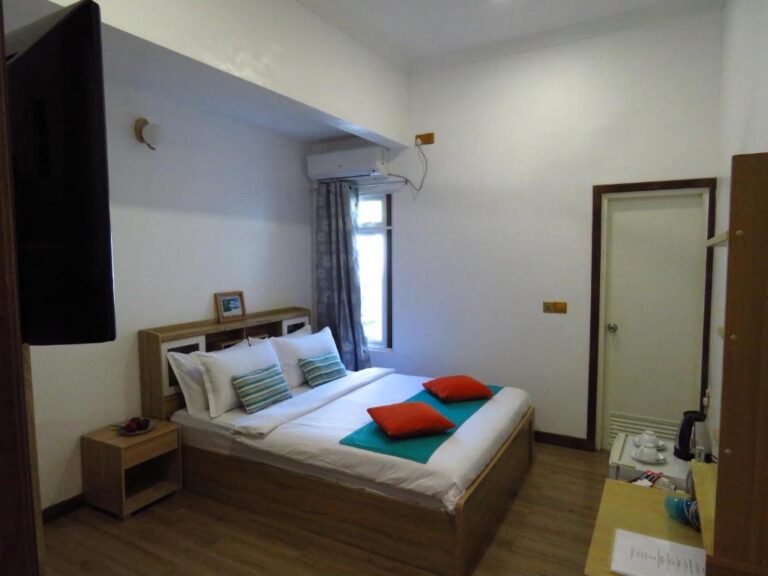 The Sunrise HuraaHuraaView accommodation →
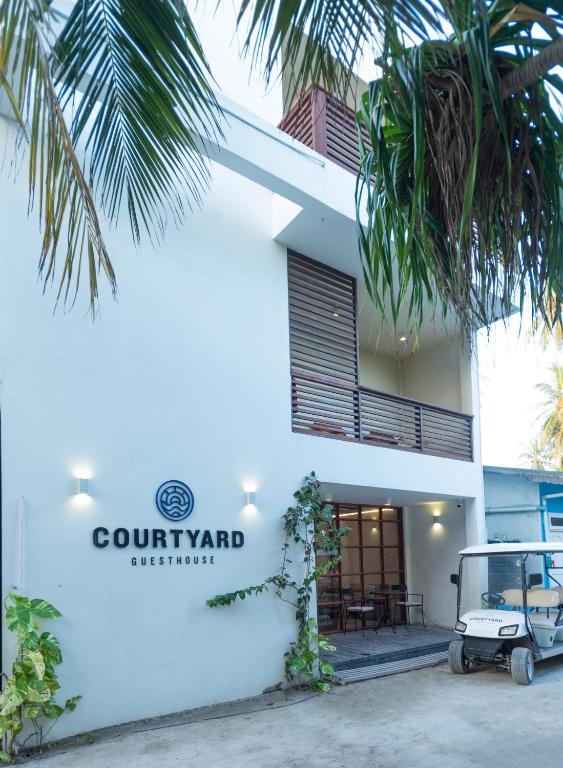 Courtyard MaldivesHuraaView accommodation →
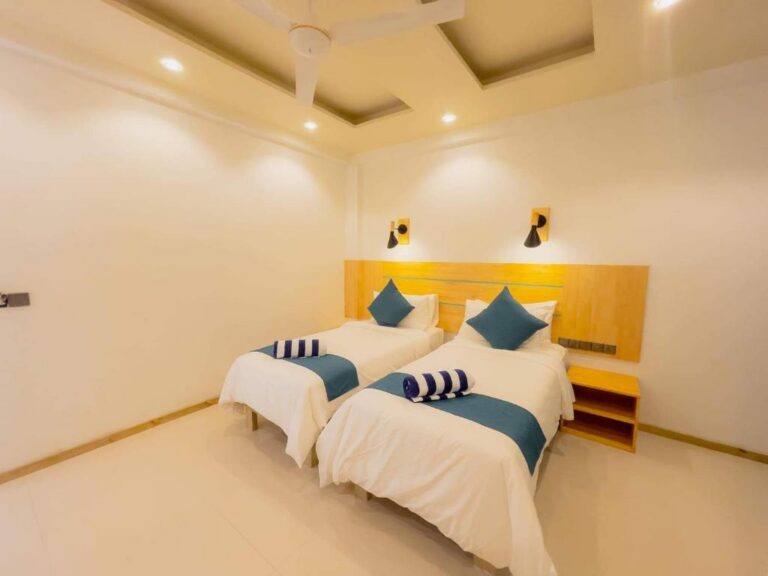 Wish GuesthouseHuraaView accommodation →
 LETS GO HURAAHuraaView accommodation →
This opens a live search for every place to stay in Huraa on an independent booking site. It is a destination search, not the availability of one property.
Affiliate disclosure: availability searches open on independent booking sites through Stay22. Maldives Travel Guide may earn a commission on a qualifying booking, at no extra cost to you.