
Maldives Adventure Activities
Diving, reef-break surfing, kayaking, kitesurfing and watersports in the Maldives, with the safety rules that matter most.
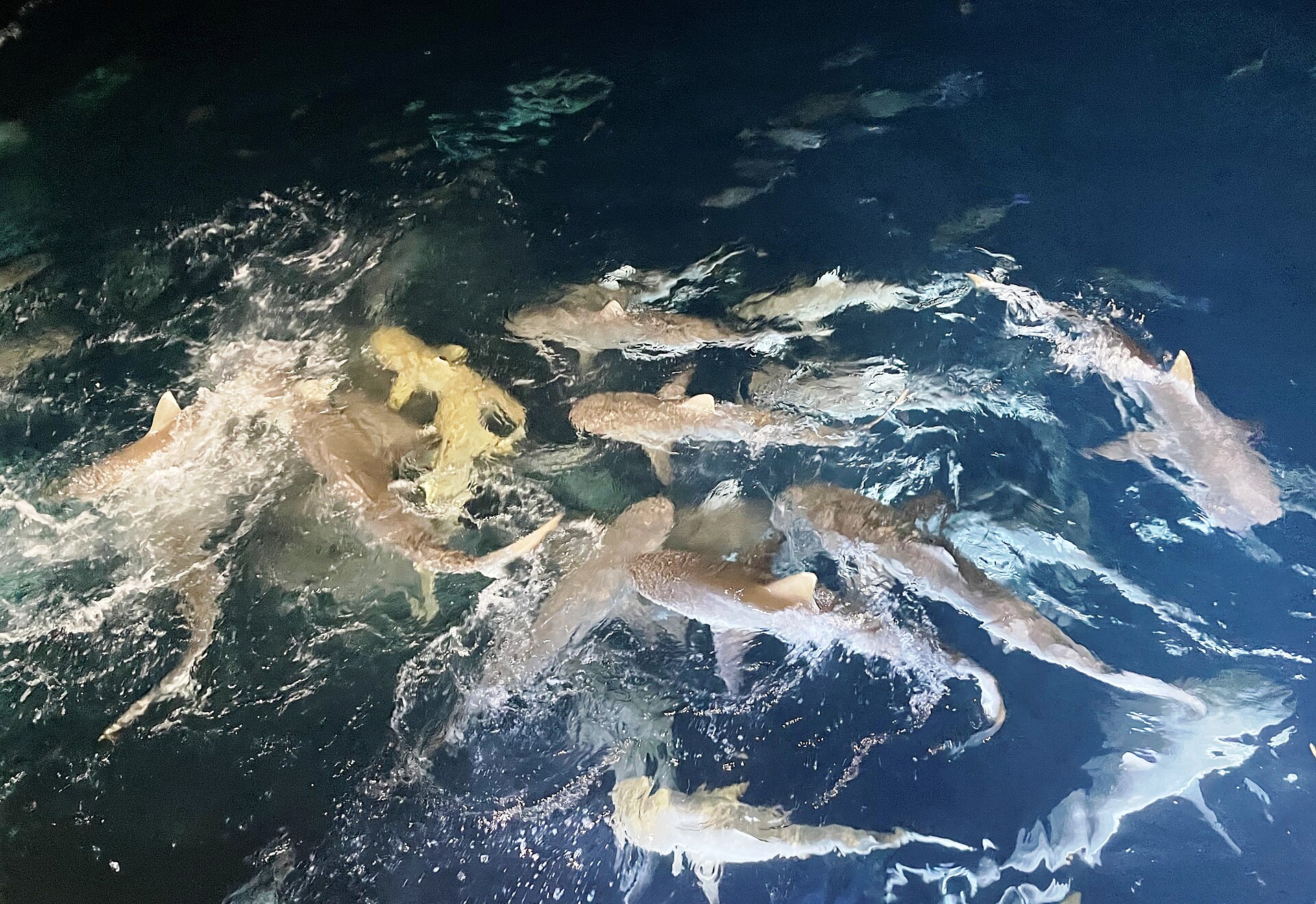
Photo: Bapak Alex, CC BY-SA 4.0, via Wikimedia Commons
Adventure in the Maldives means the water. There are no mountains or long hikes here; the active side of a trip is diving the channels, surfing reef breaks, paddling a lagoon, kitesurfing across shallow flats or taking a motorised ride from a resort watersports centre. Visit Maldives lists windsurfing, sailing, wakeboarding, kitesurfing, jet skiing, flyboarding, parasailing, canoeing and surfing among the watersports on offer, alongside diving and fishing.
What you can actually do depends on where you stay. Resort islands usually run their own dive and watersports centres, while larger local islands have independent dive schools and a few surf and watersports operators. This guide explains each activity, where it fits, and the participation and safety points that matter, with the diving-and-flying gap at the top of the list. Availability varies by island and season, so check before you choose a base.
Adventure activities at a glance
- Main activities
- Scuba diving, surfing, snorkelling, kayaking and paddleboarding, kitesurfing, windsurfing, motorised watersports, fishing trips
- Where
- Resort watersports and dive centres; independent operators on larger local islands
- Surf season
- Roughly mid-February to November according to Visit Maldives, varying by atoll
- Diving
- Year-round; visibility and currents vary with the monsoon and the site
- Key safety rule
- Leave at least 12 to 18 hours between diving and flying, including seaplanes
- Paperwork
- Dive certification card, logbook, medical questionnaire and diving insurance
In this Maldives adventure activities guide
Scuba diving
Diving is the country’s signature adventure. Channel dives with currents, reef walls, thilas (underwater pinnacles) and manta and shark encounters draw divers to Ari Atoll, Vaavu Atoll, Rasdhoo, Fuvahmulah and Addu City, among others. Beginners can learn in calm lagoons, and most dive centres offer introductory dives and entry-level courses. Experienced divers often choose a liveaboard to reach several atolls in one trip.
Channel diving is not beginner diving. Currents can be strong, dives are often done as drift dives, and the dive centre may ask for recent experience, a minimum certification level or a check dive before channel sites. Recreational diving rules in the Maldives limit depth and restrict decompression diving; your dive centre will brief you on the limits that apply. Our diving trips guide covers regions, seasons and liveaboards in detail.
Surfing
Maldives surf breaks are reef breaks, mostly lefts and rights over shallow coral, which makes them better suited to intermediate and experienced surfers than to first-timers. The breaks closest to the airport are in North Malé Atoll, around Thulusdhoo and Himmafushi, and in South Malé Atoll around Guraidhoo. Further south, the central atolls and Huvadhu Atoll are usually surfed on boat trips.
Visit Maldives describes the surf season as running from about mid-February to November (as checked September 2026), with the southwest monsoon months bringing the more consistent swell. Some breaks near resorts have access arrangements, and popular breaks near the Malé atolls can be busy. Wear booties or reef shoes if you are unsure of the reef, bring reef-cut first aid, and ask locally about tides before paddling out.
Kayaking and paddleboarding
Sea kayaks and stand-up paddleboards are among the most accessible ways to explore a lagoon, and many resorts and some guesthouses have them for guests. Early morning and late afternoon are usually calmest. Stay inside the lagoon, keep clear of boat channels and the reef edge where currents pick up, and tell someone when you set out. Avoid dragging boards or paddles across coral in shallow water.
Kitesurfing and windsurfing
Kitesurfing and windsurfing are offered at a small number of resorts and watersports centres with suitable lagoons, and on some multi-day boat trips. Wind is seasonal, so a centre that is busy in one monsoon may be quiet in the other. If you are learning, choose a centre that provides instruction and a rescue boat; if you are experienced, ask about launch areas, reef hazards and the prevailing wind for your dates.

Motorised watersports and parasailing
Jet skis, banana boats, wakeboarding, flyboarding and parasailing are mostly run from resort watersports centres, with some offered by operators on larger guesthouse islands. They are short, supervised activities rather than excursions. Ask for a safety briefing and a life jacket, check the operator’s age and weight limits, and keep away from snorkellers, swimmers and reef areas. Motorised activities disturb marine life, so choose operators who keep to designated zones.
Fishing trips also run from many resorts and local islands, from sunset handline fishing to longer trips offshore. They are a traditional part of island life and a social way to spend an evening. Check what happens to the catch and whether the trip keeps clear of protected areas. To browse adventure excursions, see the adventure activities archive, and for reef trips the snorkelling tours guide.
Participation and safety
Divers Alert Network guidance, also cited by PADI, suggests a minimum surface interval of 12 hours before flying after a single no-decompression dive, and 18 hours after multiple dives per day or multiple days of diving; substantially longer is prudent after decompression dives (as checked September 2026). Treat a seaplane or domestic flight exactly like any other flight: plan your last dive around your transfer, not the other way round.
Certification and experience
Bring your certification card (or digital card) and logbook. Dive centres will ask for proof of certification before anything beyond an introductory dive, and may ask for a check dive if you have not dived recently. Be honest about your experience with currents; the guide’s choice of site depends on it. Surf, kite and watersports centres will likewise ask about your level before renting equipment.
Medical fitness and insurance
Most dive centres ask you to complete a medical questionnaire, and some conditions require a doctor’s sign-off before diving. Make sure your travel insurance covers the activities you plan, including scuba diving to your intended depth and any motorised watersports. The UK government notes that the Maldives has a limited number of hyperbaric chambers and that some resorts are more than an hour away from one, so ask your dive centre about its emergency plan (as checked September 2026).
Water safety
Strong tidal currents are common around channels and reef edges. The UK government advises asking resort staff where it is safe to swim, while the Canadian government notes that riptides are common and that drownings occur each year. Wear a life jacket on boats, snorkel with a buddy, stay within sight of the boat, and avoid alcohol before any water activity.
Do not stand on coral or touch marine life. On local islands, change and dress modestly away from the designated tourist beach, even when heading out for a surf or dive.
Read next
- Maldives diving trips
- Maldives snorkelling tours
- Maldives tours and activities
- Things to do in the Maldives
- Getting around the Maldives
Official sources
Transfer schedules, fees, entry rules and island regulations change; check the official source before you travel. The sources below cover the watersports on offer, diving and flying guidance, water safety and hyperbaric provision referred to on this page.
- Visit Maldives: watersports in the Maldives
- Visit Maldives: surf breaks in the Maldives
- Alert Diver (DAN Europe): flying after diving
- PADI: things to avoid immediately after diving
- GOV.UK foreign travel advice: Maldives safety and security
- Government of Canada: Maldives travel advice
- Maldives Meteorological Service: climate of the Maldives
- Visit Maldives (official tourism promotion)
Plan an active Maldives trip
Choose a base with the right dive centre, surf break or lagoon, then time your last dive around the flight home.