
Things to Do in the Maldives
Reefs, diving, whale sharks and mantas, surf, sandbanks, local island life and Malé’s coral-stone heritage, grouped by interest.
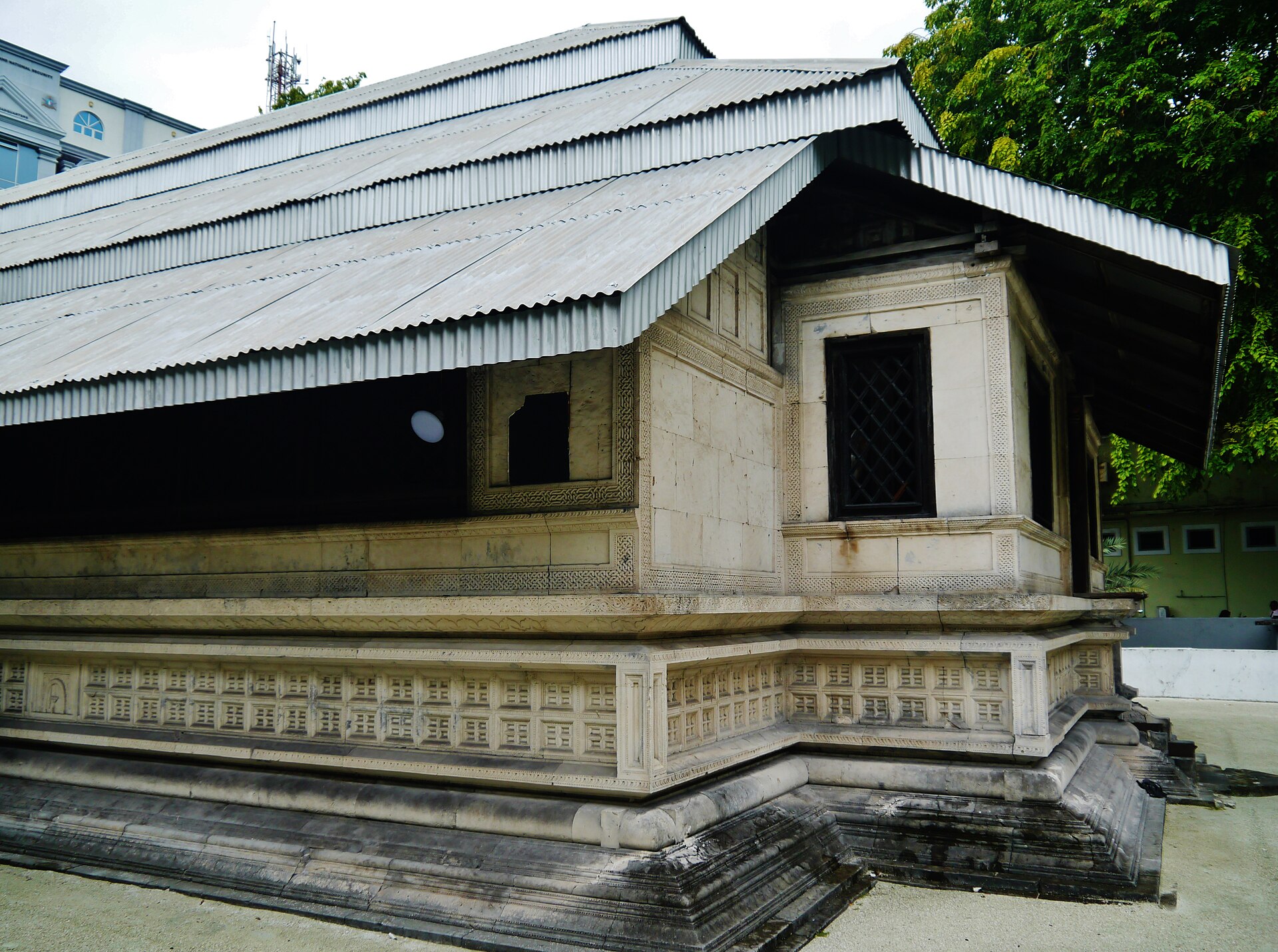
Photo: Zairon, CC BY-SA 4.0, via Wikimedia Commons
Most of what there is to do in the Maldives happens in, on or beside the sea. Snorkelling a house reef, diving a channel, looking for whale sharks or mantas, surfing a reef break and spending an afternoon on a sandbank make up the core of most trips. The rest is quieter: walking a local island at dusk, eating in a harbour café, and a morning in Malé among coral-stone mosques and the national museum.
This guide groups things to do by interest and points to the regions and islands where each is most practical. It does not promise sightings or rank experiences. Marine life is wild, conditions change with the monsoon, and the same trip can feel very different from a resort island and a local island. Each section links to a destination or theme guide with the detail you need to plan.
In this things to do in the Maldives guide
Reefs and snorkelling
Snorkelling is the activity almost everyone does, and it needs little more than a mask, fins and a sense of the current. Many resort islands have a house reef reachable from the beach or a jetty. On local islands, snorkelling usually means a short boat trip to a nearby reef, channel or sandbank. Ukulhas, Rasdhoo and Dhigurah in Ari, and Fulidhoo in Vaavu, are among the local islands with reef trips close by.
Choose the right trip for your confidence. Lagoon and reef-flat snorkelling suits beginners and children; channel snorkelling, where the reef drops into deeper water and currents run, is for confident swimmers with a guide. Wear a rash vest for sun protection, never stand on coral, and keep a respectful distance from turtles and other wildlife. Our snorkelling tours guide explains trip types and what to ask.
Diving
The Maldives is one of the world’s well-known dive destinations, with channel drift dives, thilas and reef walls across most atolls. Ari Atoll, Vaavu Atoll, South Malé Atoll and North Malé Atoll are within reach of the airport; Fuvahmulah and Addu City in the far south are known for sharks and larger marine life. Liveaboards cover several atolls in a single trip.
Beginners can take introductory dives and entry-level courses in calm lagoons. Experienced divers should expect currents and may be asked for a check dive before channel sites. Allow the recommended surface interval before any flight, including seaplanes. See our diving trips guide and adventure activities guide for safety, certification and regional detail.
Marine megafauna
Whale sharks
South Ari Atoll is the part of the country most associated with whale sharks, and it is protected as a marine protected area, with encounters reported year-round around Dhigurah and Dhangethi and from South Ari resort islands. A 2024 national regulation requires swimmers to keep at least 3 metres from the body and 4 metres from the tail, forbids touching and feeding, and limits boats around each animal (as checked September 2026).
Manta rays
Hanifaru Bay in Baa & Raa Atolls is a protected, snorkel-only site where large numbers of mantas can gather to feed during the southwest monsoon. It lies inside the Baa UNESCO Biosphere Reserve, and boat and visitor numbers are capped. Mantas are also seen at cleaning stations in other atolls. Stay above and to the side of the animals, never touch them, and do not use flash.
Sharks, turtles and dolphins
Reef sharks and turtles are seen across the country on ordinary reef trips. Fuvahmulah is known among divers for larger shark species, and the reef outside Rasdhoo for hammerhead dives aimed at experienced divers. Dolphin-watching is usually combined with a sunset cruise; see our dolphin and sunset cruises guide for trip types and wildlife conduct.
Sightings are never guaranteed. Ask operators how recent trips have gone, and choose those who follow the national whale-shark regulation and site rules rather than those who promise encounters.
Surf
Maldivian surf is reef-break surf suited to intermediate and experienced surfers. The most accessible breaks are in North Malé Atoll, near Thulusdhoo and Himmafushi, and in South Malé Atoll near Guraidhoo. Surf trips to the central atolls and Huvadhu Atoll are usually done by boat. Visit Maldives gives the season as roughly mid-February to November (as checked September 2026).

Sandbanks and island hopping
Sandbanks are strips of sand that rise above the lagoon, sometimes shifting with the tides and seasons. Half-day and full-day trips combine a sandbank with snorkelling stops and, from local islands, a visit to a resort for the day or another inhabited island. Take shade, water and sun protection, and bring every piece of rubbish back to the boat. Our sandbank and island hopping guide explains the options.
Island hopping on your own is possible on public ferries within an atoll, but services are limited and many routes do not run on Fridays. Between atolls, it usually means returning via Malé. The getting around guide sets out the practical options.
Local island culture
Staying on or visiting a local island is the clearest way to see how Maldivians live: fishing boats in the harbour, children cycling to school, evening football and tea shops serving short eats (small savoury snacks). Islands such as Maafushi, Thulusdhoo, Ukulhas, Thoddoo and Fulidhoo welcome visitors, each with its own character. Thoddoo, for example, is known for its farming.
Local islands are Muslim communities. Dress modestly away from the designated tourist beach, with shoulders and upper legs covered. Alcohol is not available and must not be brought from a resort. Ask before photographing people, and be quiet near mosques, particularly at prayer times and during Friday midday prayers.
Respect goes both ways. Buy from local cafés and shops, use local guides where you can, and treat the island as a neighbourhood rather than a backdrop. During Ramadan, eating, drinking and smoking in public during daylight hours should be avoided on local islands; the UK government advises particular discretion during that month.
Malé sights
Malé is a compact, busy city that is easy to explore on foot in a morning. The Old Friday Mosque (Hukuru Miskiy) was completed in 1658 and is built from interlocking blocks of carved coral stone; the coral stone mosques of the Maldives were added to UNESCO’s tentative World Heritage list in 2008. Beside it is a historic cemetery dating from the same era.
The National Museum stands in Sultan Park, on the grounds of the former royal palace compound. Its collection includes royal objects, lacquerwork, textiles and artefacts from the country’s pre-Islamic and Islamic past. The modern Grand Friday Mosque, opened in 1984, is a landmark nearby. Dress modestly throughout the city, avoid prayer times when visiting mosques, and ask locally whether visitors may enter at the time you go.
From the airport, Malé is reached by road across the Sinamalé Bridge, and Hulhumalé & Airport has a beach and many cafés for a first or last day. A half day in Greater Malé works well before a late-afternoon speedboat transfer or while waiting for a next-morning seaplane.
Read next
- Maldives tours and activities
- Maldives adventure activities
- Maldives destinations by region
- Maldives itineraries
- Maldives travel planning
Official sources
Transfer schedules, fees, entry rules and island regulations change; check the official source before you travel. The sources below cover the marine regulations, surf season, heritage sites and local-law notes referred to on this page.
- Visit Maldives: watersports in the Maldives
- Visit Maldives (official tourism promotion)
- Visit Maldives: national whale shark regulation (2024)
- Convention on Migratory Species: Hanifaru Bay elasmobranch tourism factsheet (PDF)
- Visit Maldives: surf breaks in the Maldives
- Visit Maldives: mosques of the Maldives
- Wikipedia: Malé Friday Mosque (Hukuru Miskiy)
- Wikipedia: National Museum of the Maldives
- Wikipedia: Dhigurah (Alif Dhaal Atoll)
- GOV.UK foreign travel advice: Maldives safety and security
- Wikipedia: Velana International Airport
Plan what to do in the Maldives
Pick the experiences that matter most, then choose the region and island that make them practical.