
Malé
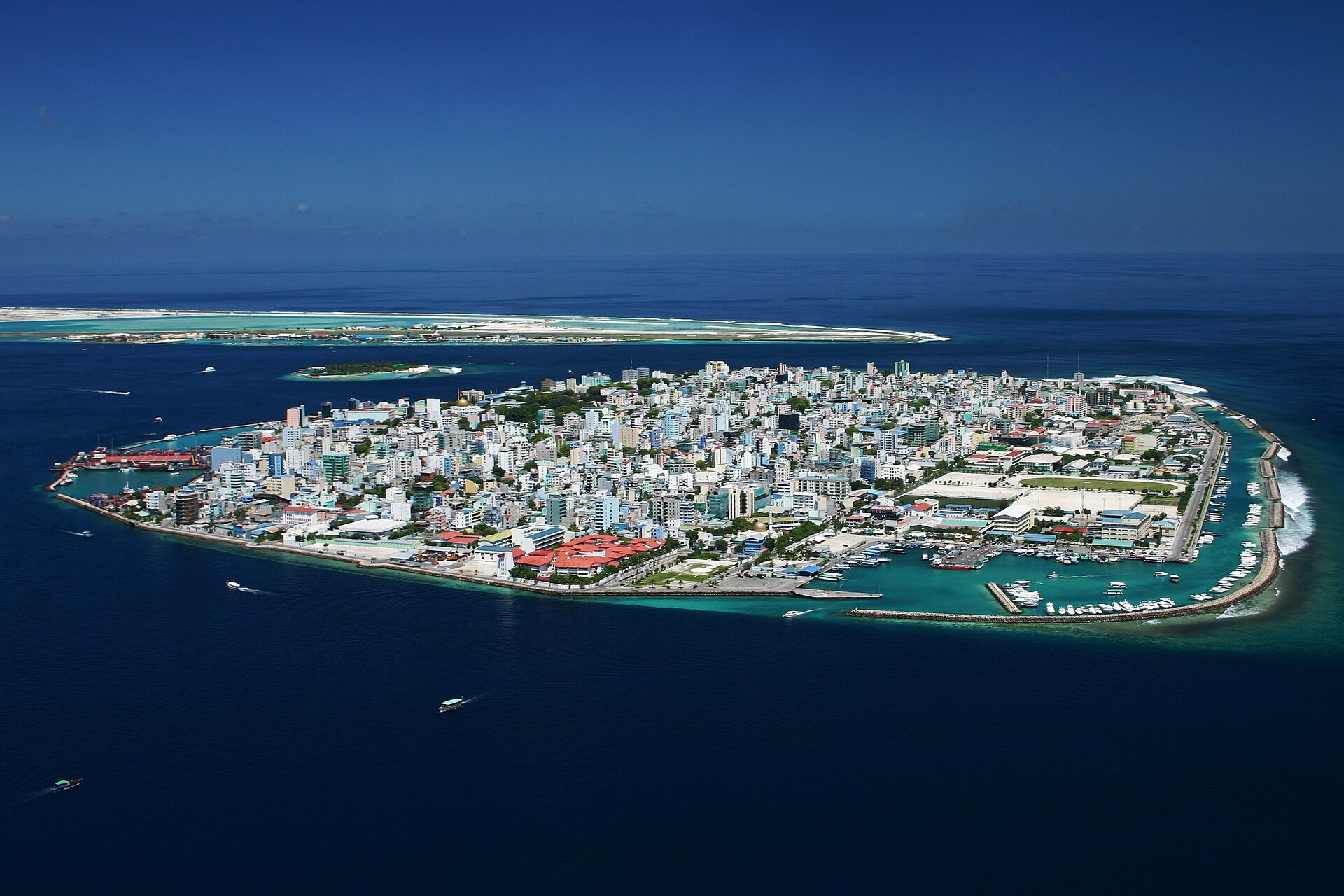
A compact, crowded capital of coral-stone mosques, markets and harbours: worth a few hours between the airport and the islands.
Photo: Shahee Ilyas, CC BY-SA 3.0, via Wikimedia Commons
Malé is the capital of the Maldives and one of the most densely built cities anywhere: a small, fully urbanised island of apartment blocks, mosques, markets, harbours and scooter traffic, a short hop from the airport. Most visitors pass straight through on the way to a resort or local island, but a half-day or a night here shows a side of the country the brochures leave out.
This guide covers the city island itself and Villimalé, the residential ward a short ferry ride to the west. It explains what is worth seeing in a few hours, how the city fits around airport and ferry logistics, what dress and behaviour are expected, and when a Malé stop makes sense compared with staying in Hulhumalé beside the airport.
Malé at a glance
- Region
- Greater Malé
- From Malé
- You are here: the airport on Hulhulé is linked by the Sinamalé Bridge and by a short public ferry
- Island type
- Capital city island (plus the residential island of Villimalé)
- Suggested stay
- Half a day to one night
- Best time
- Year-round; the drier northeast monsoon runs roughly December to April
- Known for
- Old Friday Mosque, National Museum, fish and produce markets, city life
- Getting around
- On foot; taxis and buses; ferries to Villimalé and the airport
In this Malé guide
Why visit Malé
Malé is where Maldivian public life happens. Government offices, the main mosques, the harbours that supply the atolls and the markets that feed them are packed onto an island of roughly two square kilometres, home to more than 200,000 people at the 2022 census. Walking it gives useful context for the rest of a trip: how islanders live, what they eat, and how much of the country depends on boats arriving and leaving from this waterfront.
Practically, Malé also solves problems. It is the departure point for public ferries to many local islands, it has pharmacies, banks and shops that small islands lack, and it offers city hotels and guesthouses for travellers who land too late for an onward transfer. The trade-off, honestly, is that it is noisy, hot and crowded, with little in the way of beaches; most people are happy with a few hours.
What to see in a few hours
Old Friday Mosque (Hukuru Miskiy)
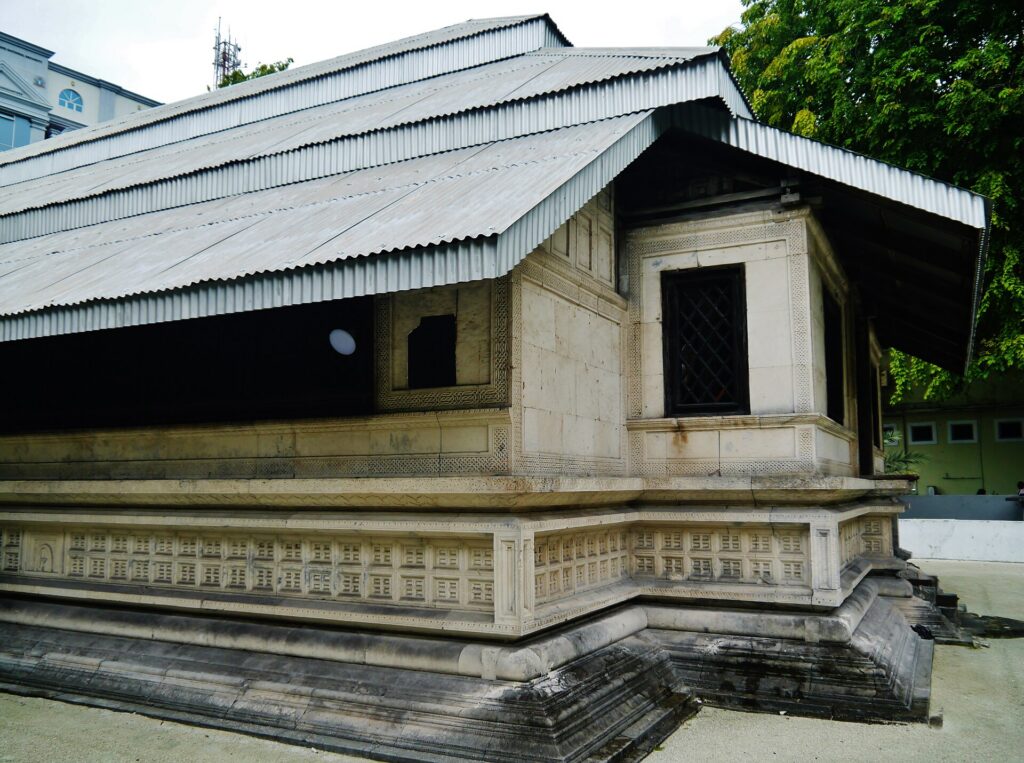
The Old Friday Mosque was completed in 1658 and is built from cut coral stone, with carved panels and a lacquered timber interior; its round minaret dates from 1675. It remains a working mosque. In 2026 the Maldives submitted a World Heritage nomination for its historic coral stone mosques, including this one (as checked September 2026). Visitors should dress modestly, avoid prayer times and ask before entering or photographing inside.
National Museum and Sultan Park
The National Museum stands in Sultan Park, on part of the grounds of the former royal palace. Its collection covers the Buddhist and Islamic periods, royal furnishings, textiles, coins and weapons, although many pre-Islamic pieces were destroyed in an attack on the museum in 2012. Check opening days and hours locally before you go, as they are not always the same across the week or during Ramadan.
Markets and waterfront
The fish market and the neighbouring produce market on the northern waterfront are the city at its most direct: tuna landed from dhonis, bunches of bananas, chillies, betel leaf and dried fish from the atolls. Early morning and late afternoon tend to be busiest. Walking the harbour front east or west from here gives views of the ferries, supply boats and the airport across the channel.
- Allow time for the heat: walk in the morning or late afternoon and carry water.
- Most sights sit within walking distance of the northern waterfront.
- Shops and cafés may pause briefly at prayer times, and Friday midday is quiet.
City etiquette and dress
Malé is a conservative, Muslim city. UK government travel advice notes that outside resorts shoulders should be covered and shorts should be full-length, and it is illegal to observe a religion other than Islam in public. Alcohol is only available on resort islands, and pork and alcohol cannot be brought into the country. During Ramadan, avoid eating, drinking or smoking in public during daylight hours.
Cover shoulders and knees in the city, and more fully when visiting a mosque. Ask before photographing people, particularly women and children, and keep public displays of affection low-key. Friday is the weekly holy day: expect closures around midday prayers and a quieter city.
On safety, the UK advice reports gang-related crime in Malé, including knife crime, and recommends avoiding empty streets on foot after dark and staying away from political protests. In practice, busy central streets and the waterfront feel normal for a capital city; use ordinary precautions and registered taxis at night.
Villimalé
Villimalé, formerly known as Villingili, lies about two kilometres west of Malé and is the city’s fifth administrative ward. It was once the second resort in the country and is now a quieter residential island with more trees, less traffic and a public beach. A frequent local ferry links it with Malé, and some travellers use it as a calmer base for a night between flights and ferries.
The water around Malé is busy with ferries, supply boats and construction traffic. Swim only where locals swim at designated beaches, watch for boat traffic and currents, and keep to modest swimwear, as advised for all inhabited islands outside resorts.
Getting there and around
Velana International Airport sits on Hulhulé, the island immediately north-east of Malé. The two are linked by road over the Sinamalé Bridge, which opened in 2018, and by a short public ferry between the airport jetty and the Malé waterfront. Taxis and public buses also run between the airport, Malé and Hulhumalé. Fares and timetables change, so check the operator’s current information on arrival.
Public ferries to many local islands in Kaafu leave from Malé terminals, operated by MTCC under the Raajje Transport Link network, with routes and times published on the RTL website and app. Public ferries are reduced or absent on Fridays, so plan onward travel around the weekend. Shared speedboats to local islands usually leave from the Malé or airport jetties and are faster, but more expensive.
Within the city, walking is the simplest option for short distances. Taxis are plentiful and the island is small enough that journeys are short, though traffic can be slow. For more detail on ferries, speedboats, domestic flights and seaplanes, see getting around the Maldives.
Best time to visit
The Maldives Meteorological Service describes a drier northeast monsoon from about January to March, a wetter southwest monsoon from about mid-May to November, and transition months in April and December. Average temperatures sit between roughly 25°C and 32°C all year, with the hottest weeks in March, April and early May. Rain usually falls in showers rather than all day, so a city walk is possible in most weeks.
Consider the calendar as well as the weather. During Ramadan, which moves each year, daytime cafés and restaurants in Malé may close or operate reduced hours, and city life shifts towards the evening. Fridays are quiet, with public ferries largely off. Check the dates of Ramadan and national holidays when you plan a stop.
How long to stay
For most travellers, half a day is enough to see the mosque, museum, markets and waterfront, and one night is sensible if your international flight lands late or leaves early and your onward island needs a daytime ferry or seaplane. If you want to understand Maldivian daily life, a second day allows a ferry to Villimalé and an unhurried evening along the harbour. For airport-side stays, compare Hulhumalé, which is closer to the terminal and has a beach.
Find accommodation in Malé
Book city stays early if you arrive or leave on a Thursday or Friday, when onward ferries are limited and demand for a night near the airport rises.
Listings link to independent booking providers. See our affiliate disclosure.
Nearby destinations
Frequently asked questions
Is Malé worth visiting?
For a few hours, yes, if you are curious about the country beyond resorts. Malé shows the religious, commercial and political centre of the Maldives in a compact walk. It is not a beach destination, and many travellers who land late choose Hulhumalé instead for a quieter night. A short daytime visit between transfers gives the most value for the least time.
Can I walk from the airport to Malé?
The airport and Malé are linked by the Sinamalé Bridge, but the crossing is long, busy with traffic and exposed to the sun, so few travellers attempt it with luggage. The short public ferry from the airport jetty to the Malé waterfront, a taxi or a public bus are the usual ways across. Check current fares and times on arrival.
What should I wear in Malé?
Dress as you would for a conservative city: shoulders and knees covered for everyone, with lightweight long trousers, skirts or dresses working well in the heat. Swimwear belongs only at designated beaches or resorts. For mosque visits, wear fuller coverage and remove shoes. UK government advice summarises the local expectations for travellers leaving resort islands.
Can I drink alcohol in Malé?
No. Alcohol is not sold in Malé or on other local islands; UK travel advice notes it is only available on resort islands, and bringing it into the country is prohibited. Carrying alcohol off a resort risks arrest. Cafés, juice bars and restaurants in the city serve soft drinks, coffee and mocktails instead.
Plan the rest of your trip
- Greater Malé region guide
- Where to stay in Greater Malé
- Getting around the Maldives
- Maldives travel planning
- 7-day Malé and South Malé itinerary
- Things to do in the Maldives
Official sources for Malé
Transfer schedules, fees, entry rules and island regulations change; check the official source before you travel. The list below covers entry, weather, transport and safety information used for this guide, together with reference sources for the historic sites described above.
- GOV.UK foreign travel advice: Maldives entry requirements
- GOV.UK foreign travel advice: Maldives safety and security
- Maldives Immigration: IMUGA traveller declaration
- Maldives Meteorological Service: climate of the Maldives
- Maldives Airports Company Limited (Velana International Airport)
- Raajje Transport Link (MTCC): ferry routes and schedules
- Visit Maldives (official tourism promotion)
- Wikipedia: Malé
- Wikipedia: Malé Friday Mosque (Hukuru Miskiy)
- The Standard: coral stone mosques nominated for UNESCO World Heritage
- Wikipedia: National Museum (Maldives)
- Wikipedia: Villimalé
Plan a Greater Malé trip
Combine a short city visit with a night by the airport, then move on to a local island or resort in the Malé atolls.
Where to stay, and what to book
Malé has city hotels and guesthouses aimed at business travellers, transit passengers and visitors catching early ferries. Compare places to stay in Malé by distance to the ferry terminals and the airport ferry, and whether airport transfers are included. For half-day city walks, snorkelling trips and excursions that start from the capital, see Maldives tours.
A few places to stay in Malé
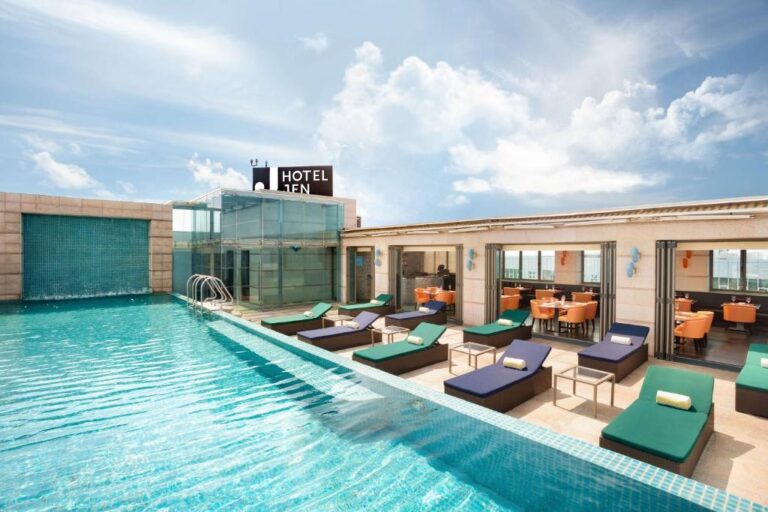 Jen Maldives Male by Shangri-LaMaléView accommodation →
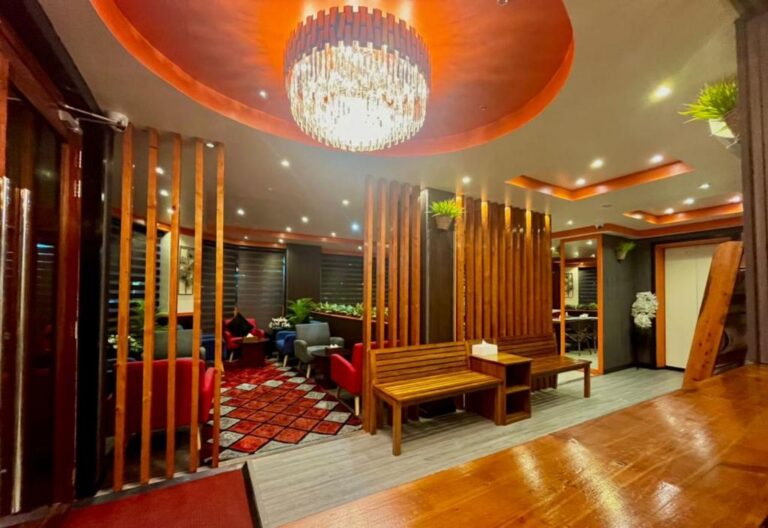 The BeehiveMaléView accommodation →
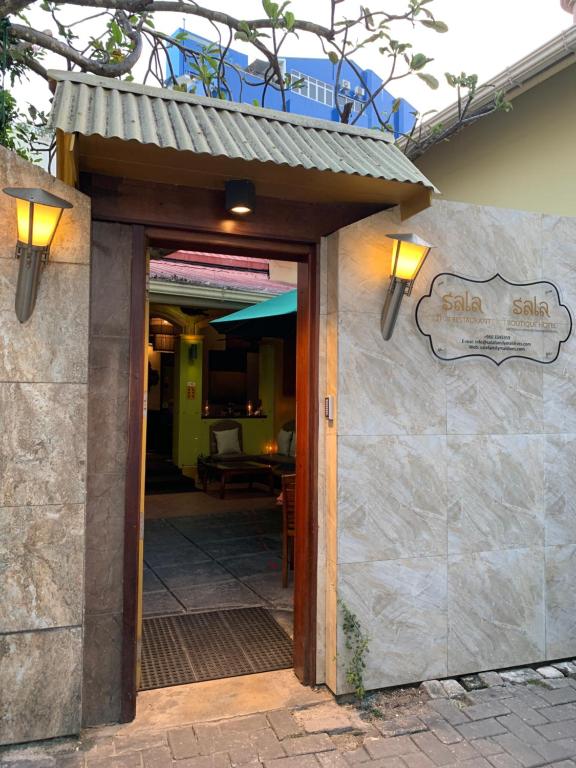 Sala Boutique HotelMaléView accommodation →
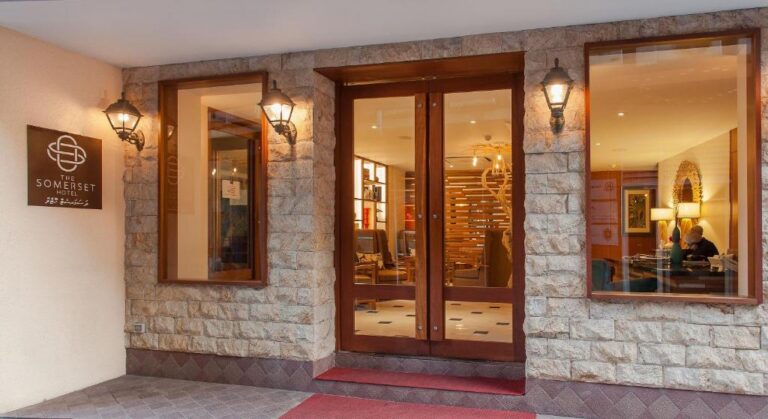 The Somerset HotelMaléView accommodation →
This opens a live search for every place to stay in Malé on an independent booking site. It is a destination search, not the availability of one property.
Affiliate disclosure: availability searches open on independent booking sites through Stay22. Maldives Travel Guide may earn a commission on a qualifying booking, at no extra cost to you.